Brake Hose Types and Advantages | Flexible Pipe Solutions

Get a Free Quote

Our representative will contact you soon.
Email
Mobile/WhatsApp
Name
Company Name
Message
0/1000
Brake Hose: Flexible Pipe for Brake Fluid Transmission

Brake Hose: Flexible Pipe for Brake Fluid Transmission

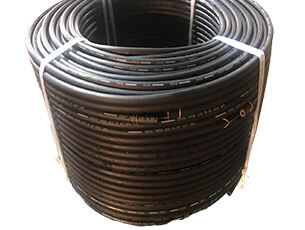
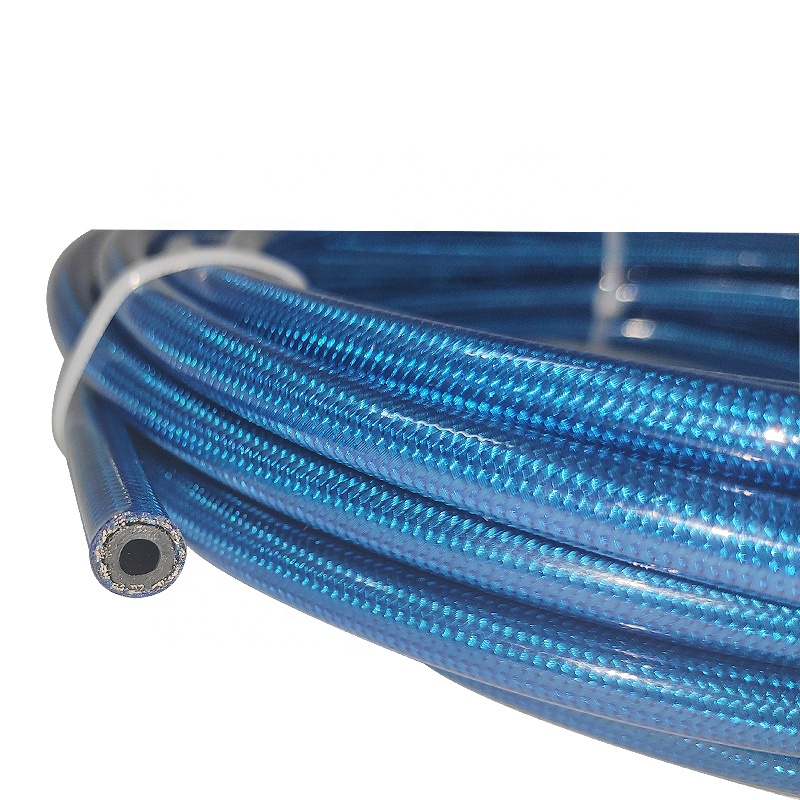
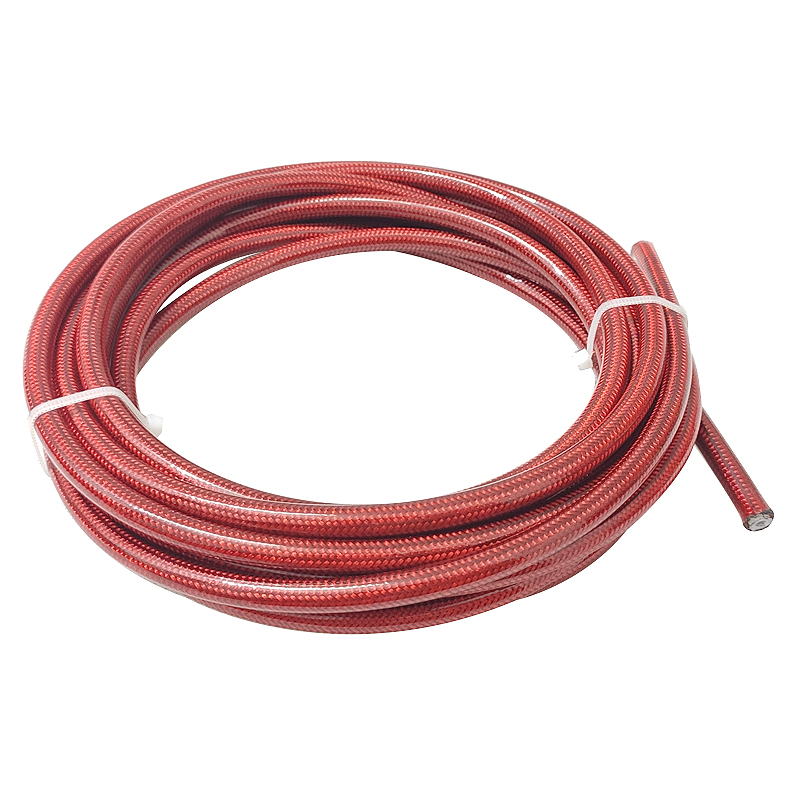
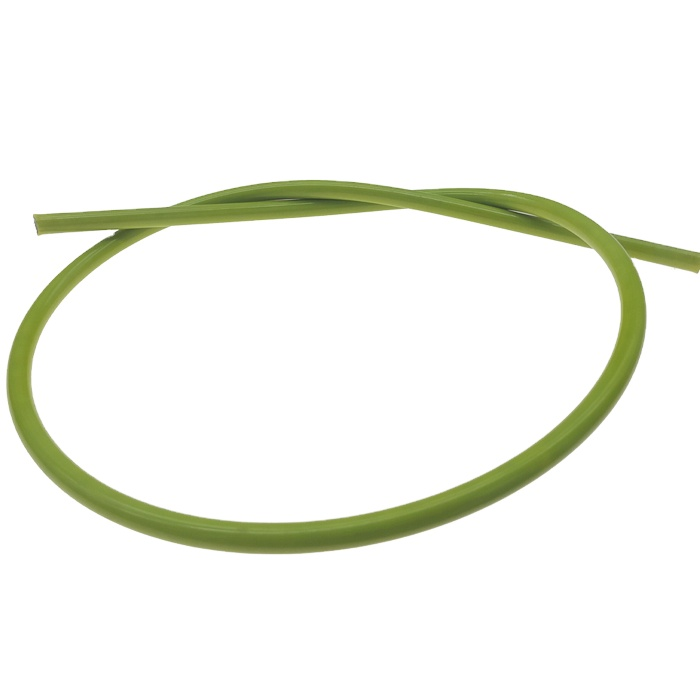
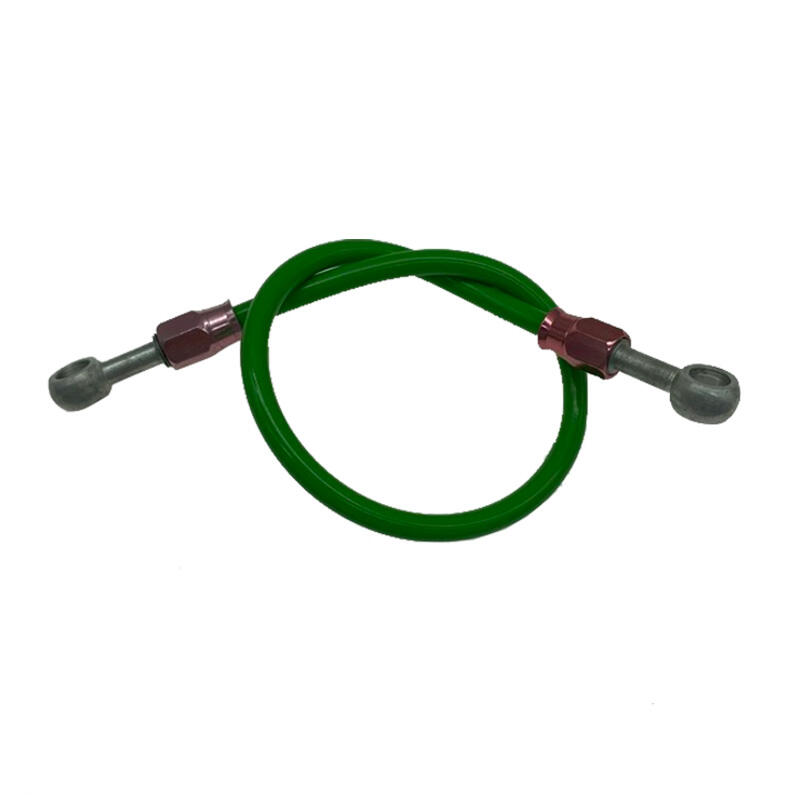
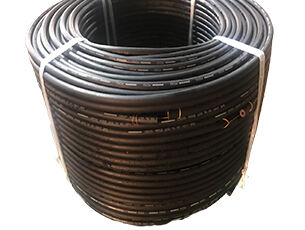
Brake hose generally refers to the flexible pipe in the vehicle brake system used to transmit brake fluid. It is usually made of materials such as rubber or plastic, and may have a braided layer or a metal mesh on the outside for reinforcement to enhance its pressure resistance and tensile strength. Types of brake hoses include steel braided brake hose, which has high strength and wear resistance; stainless steel brake hose with good corrosion resistance; PTFE braided hose with excellent chemical resistance and high temperature resistance; motorcycles brake hose designed specifically for motorcycle brake systems; nylon brake hose made of nylon with good wear resistance and oil resistance; and PTFE brake hose made of PTFE maintaining stable performance under high temperature and pressure. These different types of brake hoses meet various needs of different brake systems.
Get A Quote

Advantages

High Flexibility for Complex Installations

Brake hoses are extremely flexible. They can be bent and shaped to fit complex installation spaces in vehicles, such as around wheels and in tight engine compartments. This flexibility ensures proper connection of the brake system, adapting to different vehicle designs.

Good Pressure Resistance for Safe Braking

These hoses are engineered to withstand high pressures. They can effectively transfer braking pressure from the master cylinder to the brake calipers, ensuring reliable and safe braking performance, which is crucial for vehicle safety.

Corrosion - Resistant Materials for Longevity

Brake hoses are often constructed with corrosion - resistant materials. This feature enables them to maintain performance in harsh environments like rainy or salty conditions, extending their service life and reducing the risk of failure due to corrosion.

Related products

For many riders, nylon brake hoses are a functional yet economical option. In motorcycles, these hoses need to be flexible to fit the range of movements required by the handlebars and the suspension. Nylon's ability to stretch allows the brake hoses to flex around bends without risk of kinking. Nylon's lightness also helps motorcycles by reducing unsprung weight, which improves the bike’s handling. The nylon braid covering also provides some abrasion resistance, shielding the hoses from the rough environment of motorcycle riding, like gravel and dirt on the road. For day to day commuting and casual riding on motorcycles, these hoses fulfill the requirements adequately, even if they don’t perform as well as more expensive options such as steel-braided or PTFE hoses in high performance scenarios.

Frequently Asked Questions

What is the function of a brake hose in a vehicle?

The function of a brake hose in a vehicle is to transmit brake fluid from the master cylinder to the brake calipers or wheel cylinders. It provides a flexible connection, allowing the wheels to move freely while maintaining the transfer of braking pressure, which is essential for effective braking and vehicle safety.
Brake hoses are designed to withstand high pressure through their construction. They often have multiple layers, such as an inner tube to hold the brake fluid, a reinforcement layer (like braided steel wire, polyester thread, or nylon braid) to increase strength, and an outer protective layer. These layers work together to distribute the pressure evenly and prevent the hose from bursting under the high pressures generated during braking.
Yes, depending on the material. For example, PTFE - based brake hoses can withstand high temperatures up to around 200 degrees Celsius due to the high - temperature resistance of PTFE. Some rubber hoses are also designed to have good low - temperature flexibility and high - temperature compatibility. However, it's important to choose the right type of brake hose based on the specific temperature range of the vehicle's operating environment.
Signs that a brake hose needs replacement include visible cracks, bulges, or leaks in the hose. If the brakes feel spongy or unresponsive, it could also indicate a problem with the brake hose. Additionally, if the hose shows signs of severe wear, such as abrasion or degradation of the outer layer, it should be replaced to ensure safe braking performance.
Most brake hoses are designed to be compatible with common brake fluids like DOT 3, DOT 4, and DOT 5.1. However, it's crucial to check the manufacturer's specifications. Some specialized brake fluids or fluids with unique chemical compositions may require specific types of brake hoses to ensure compatibility and prevent damage to the hose and potential brake system failures.
Braided brake hoses, such as those with a steel or nylon braid, offer several advantages over non - braided ones. The braided layer provides increased strength and resistance to expansion under pressure, ensuring more consistent brake performance. They also have better durability, are more resistant to abrasion, and can maintain their shape and integrity over a longer period, leading to more reliable braking in the long run.

Related Articles

How Brake Hose Material Affects Braking Performance

08

Apr

How Brake Hose Material Affects Braking Performance

Types of Brake Hose Materials and Their PropertiesRubber Brake Hoses: Flexibility vs. Durability Most cars still use rubber brake hoses because they bend so easily around tight corners in the chassis. Mechanics love this flexibility since it makes in...
View More
High - Quality Brake Hoses: What Makes Them Different

08

Apr

High - Quality Brake Hoses: What Makes Them Different

The Critical Role of Brake Hoses in Vehicle Safety How Brake Hoses Transmit Hydraulic Pressure The brake hose plays a really important role in how a car stops. These rubber tubes carry brake fluid pressure from the master cylinder all the way to w...
View More
AN3 Brake Hoses in Off - Road Vehicles: Withstanding Vibration

24

Apr

AN3 Brake Hoses in Off - Road Vehicles: Withstanding Vibration

AN3 Brake Hose Construction: Stainless Steel & PTFE Advantages Core materials for vibration resistance When it comes to brake hoses, the core material really matters, especially regarding how well they handle vibrations. Get this wrong and the whol...
View More
MALAYSIA AUTOMOTIVE ROBOTICS AND IOT INSTITUTE

21

Feb

MALAYSIA AUTOMOTIVE ROBOTICS AND IOT INSTITUTE

View More

Customer Reviews

Lisa White
Flexible and Pressure - Resistant

The rubber brake hose I purchased for my car is top - notch. It has excellent flexibility, which makes installation a breeze. Even after months of driving, it has maintained its shape and performance. The high - strength multi - strand polyester thread construction ensures it can withstand high pressures. It meets all the required standards, and I feel safe knowing that my braking system is reliable. The price is also reasonable considering the quality.

Mike Black
Great for Harsh Environments

I live in an area with extreme weather conditions, and this nylon brake hose has held up remarkably well. It has good heat resistance, and its oil and chemical resistance are impressive. I don't have to worry about it getting damaged by the various fluids in my car's engine bay. The 304 steel wire wrapping adds an extra layer of strength. It's easy to bend and install, and it has significantly improved my car's braking performance.

Get a Free Quote

Our representative will contact you soon.
Email
Name
Company Name
Message
0/1000
Easy Replacement and Maintenance

Easy Replacement and Maintenance

When a brake hose requires replacement or maintenance, the process is relatively straightforward. Mechanics can quickly remove and install new hoses, minimizing vehicle downtime and maintenance costs, which is beneficial for vehicle owners and service providers.