Brake Lines: Enhance Vehicle Safety with Reliable Brake Force Transmission

Get a Free Quote

Our representative will contact you soon.
Email
Mobile/WhatsApp
Name
Company Name
Message
0/1000
Brake Line: Channel for Brake Force Transmission

Brake Line: Channel for Brake Force Transmission

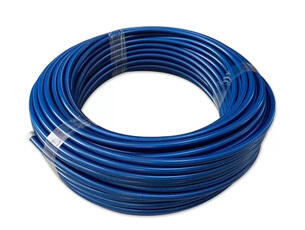
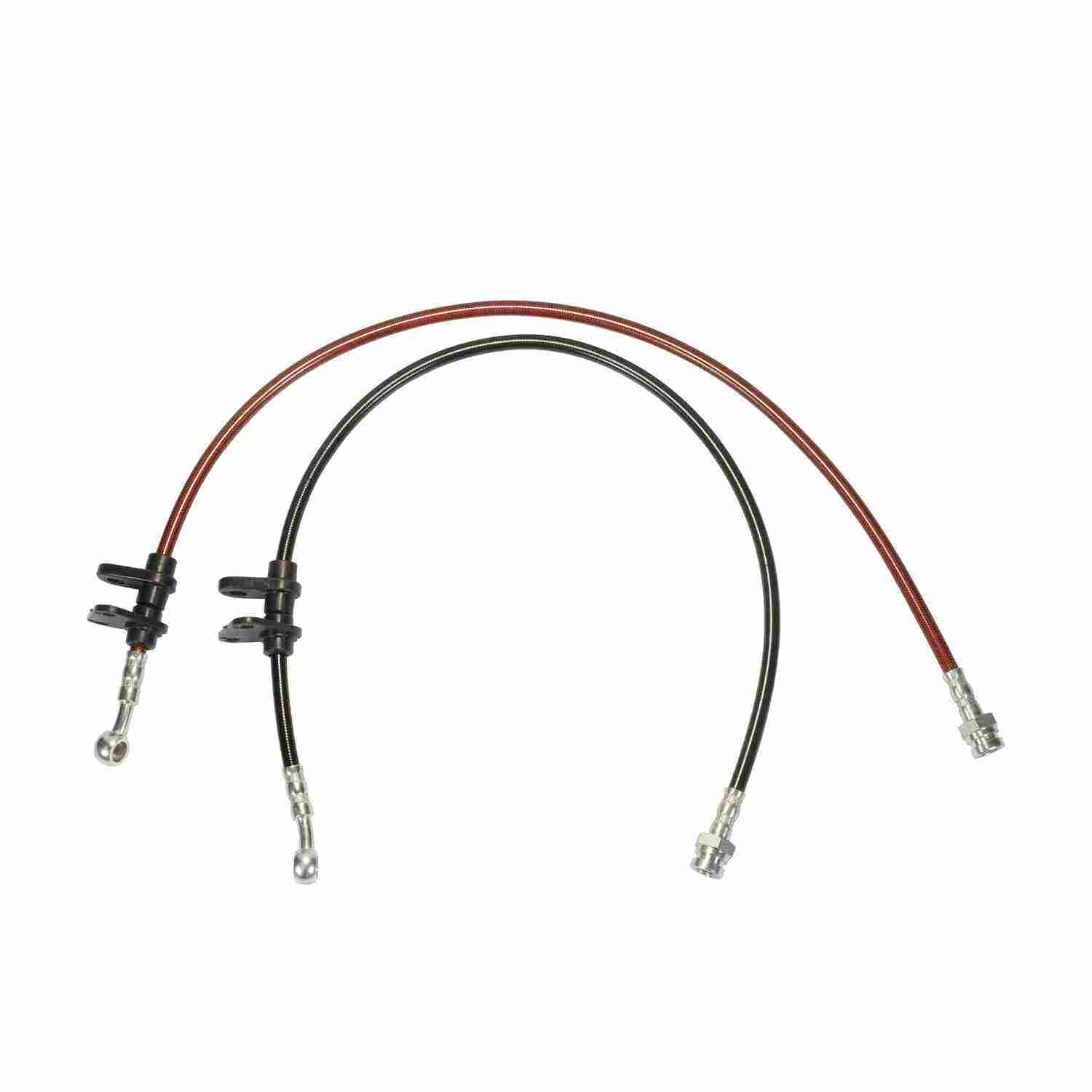
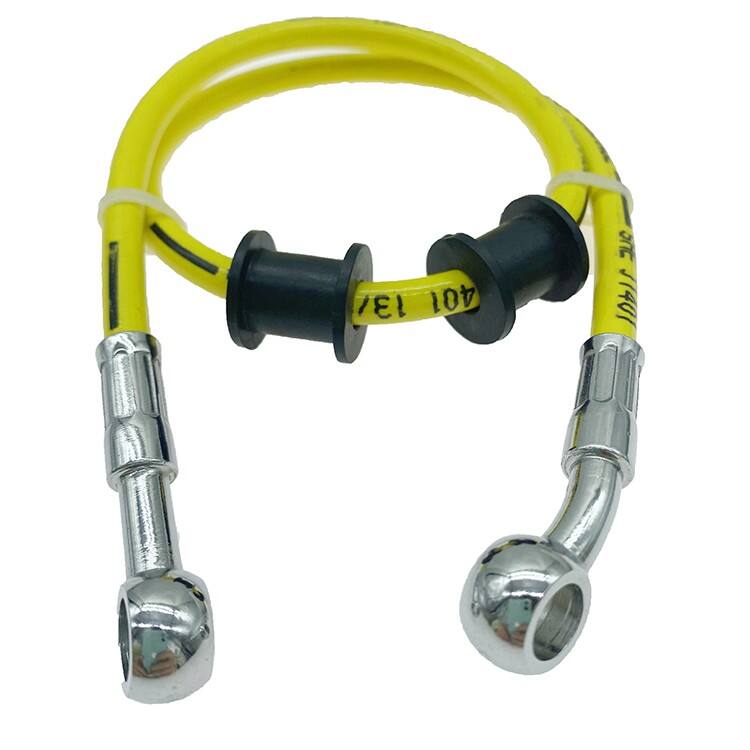
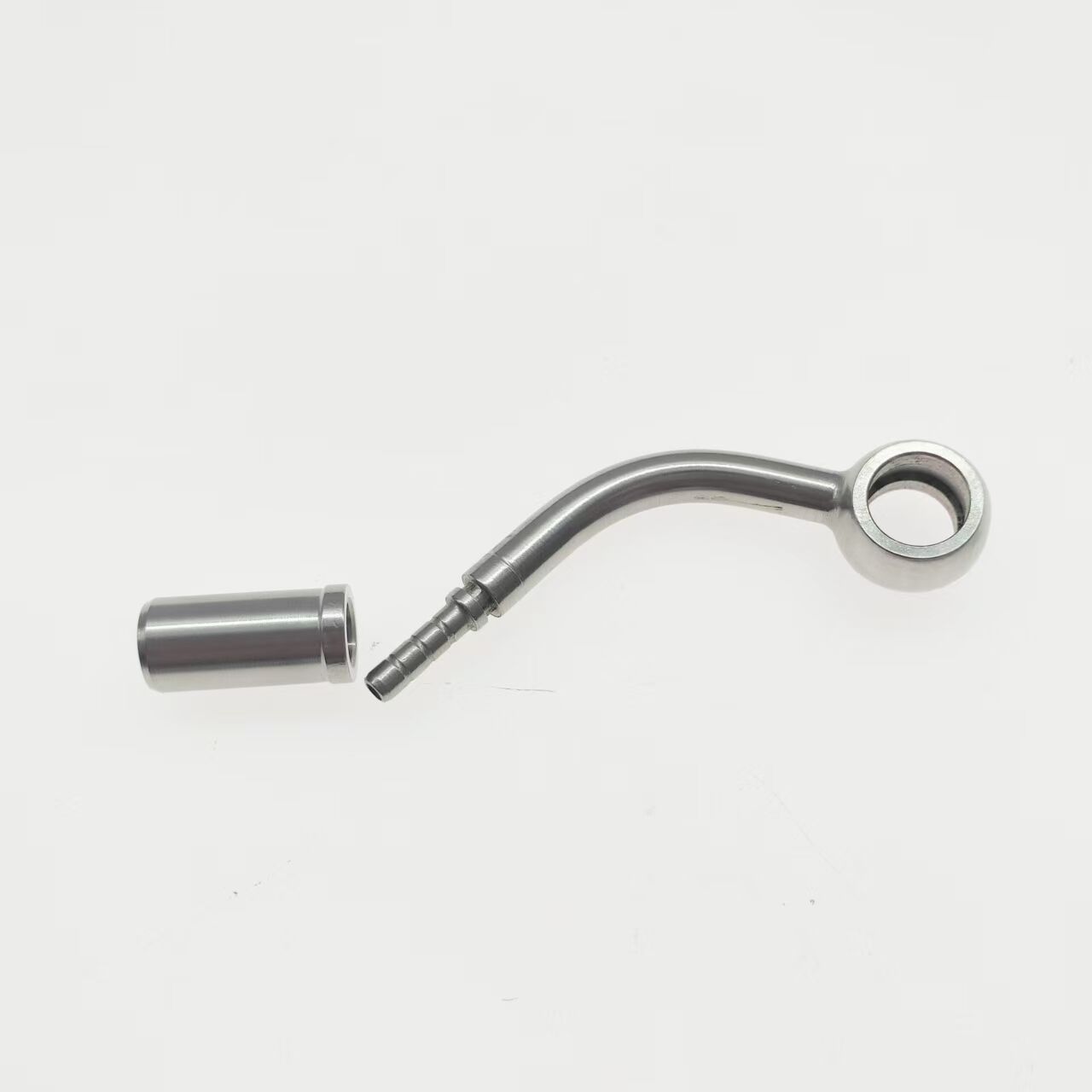
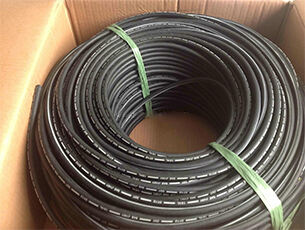
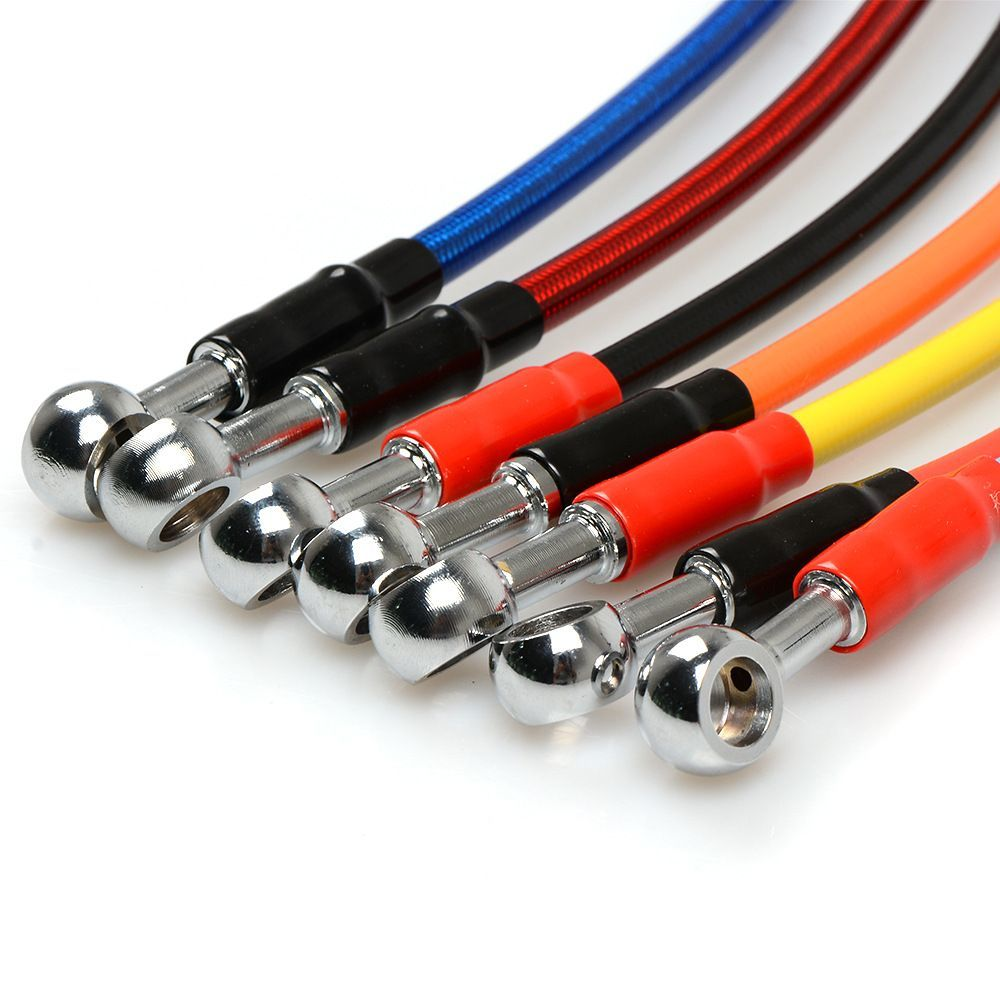
Brake line, also known as brake pipe, is a channel in the brake system used to transmit brake fluid or brake force. It can be a rigid metal pipe or a flexible hose. Its function is to transmit the force from the brake pedal to the brake device of the wheels, enabling the vehicle to brake. For example, in a motorcycle brake system, there are motorcycle brake lines, which can be in the form of flexible hoses like motorcycle brake hose or linear structures like the ones made of steel wire, pulling to control the action of the brake device. Different types of brake lines, whether hoses or rigid pipes, are crucial components in ensuring the effective operation of the brake system.
Get A Quote

Advantages

High Strength for Reliable Performance

Brake lines, whether rigid or flexible, are made of high - strength materials. They can endure the high forces generated during braking, ensuring the reliable transfer of braking force and consistent braking performance, providing a stable braking foundation.

Leak - Proof Design for Safety

Brake lines feature a leak - proof design. They prevent brake fluid leakage, which is essential for maintaining the integrity of the brake system. Leak - free operation ensures safe braking and reduces the risk of brake failure, safeguarding the safety of vehicle occupants.

Compatibility with Different Brake Systems

Brake lines come in various types to be compatible with different brake systems, such as disc brakes and drum brakes. This compatibility makes them suitable for a wide range of vehicles and applications, providing flexibility in vehicle design and repair.

Related products

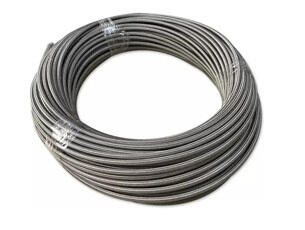
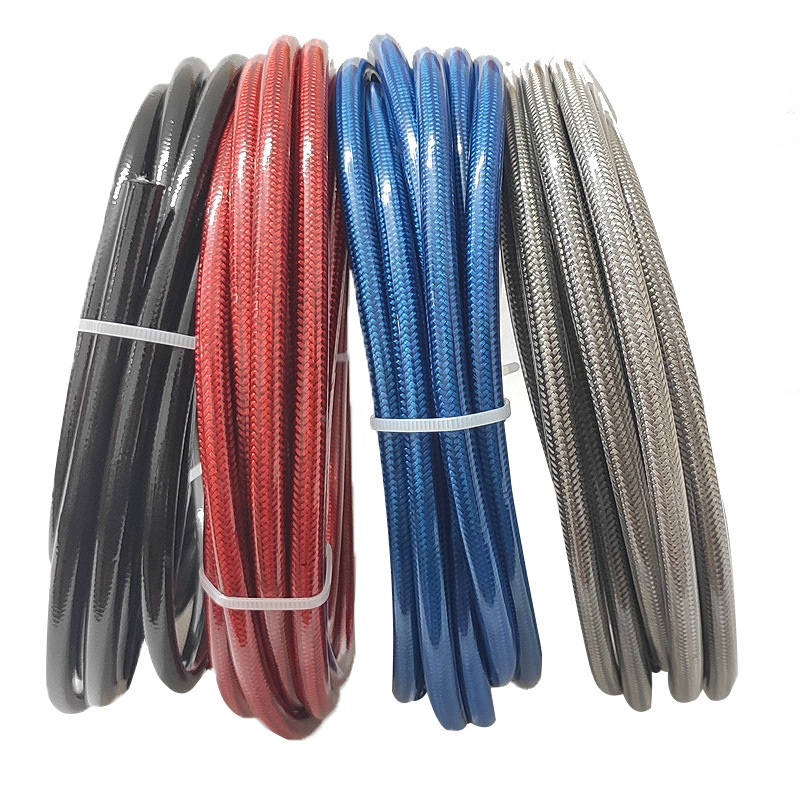
Steel braided brake lines are an increasingly common modification for motorcycles. Motorcycle performance is impacted positively, particularly with high aggressive riding or performance scenarios. The responsive feel one gets in the break pedal results from the strong outer braided steel layer which mitigates elongation during the high braking pressure to the motorbike. Such increase in pressure is directly proportional to the power applied on the breaks. Unlike other materials, steel braided ones do not rust easily making it more suitable for motorcycles that are subjected to various conditions. These lines are made from supple substances like Teflon that make the brake fluid move easily thus resulting in lower friction. One must remember that installing these reinforced braided lines does come with its own risk, including incorrectly bleeding the break system, which can decrease the safety and motorcycle efficiency.

Frequently Asked Questions

What is the difference between a rigid and a flexible brake line?

A rigid brake line is usually made of metal (such as steel) and is used in parts of the brake system where a fixed, non - flexible connection is possible. It offers high strength and resistance to deformation. A flexible brake line, like a brake hose, is made of materials like rubber or PTFE with reinforcement. It allows for movement, such as the suspension movement of wheels, while still transmitting brake fluid and pressure effectively.
In a hydraulic brake system, when the driver presses the brake pedal, the force is transmitted to the master cylinder, which pressurizes the brake fluid. The brake line, whether rigid or flexible, then transfers this pressurized brake fluid to the brake calipers or wheel cylinders at the wheels. The pressure in the brake fluid causes the pistons in the calipers or cylinders to move, applying the brakes and stopping the vehicle.
Brake lines can be made of various materials. Rigid brake lines are often made of steel or stainless steel for their high strength and corrosion resistance. Flexible brake lines use materials like rubber (reinforced with materials such as polyester threads), nylon, or PTFE. Each material has its own properties, such as flexibility, strength, and chemical resistance, which are selected based on the specific requirements of the brake system.
Yes, a damaged brake line can cause brake failure. If there is a leak in the brake line, the brake fluid will escape, reducing the pressure in the system. This can lead to a loss of braking power, making it difficult or impossible to stop the vehicle. Additionally, if the brake line is severely corroded or damaged, it may burst under pressure, resulting in sudden and complete brake failure, which is extremely dangerous.
Yes, different vehicles may require different types of brake lines. For example, high - performance sports cars may use PTFE - lined or stainless - steel braided brake lines to handle the higher braking forces and temperatures. Smaller, more economical cars may use standard rubber - hosed brake lines. Trucks and heavy - duty vehicles often need larger - diameter and more robust brake lines to withstand the greater loads and pressures associated with their operation.
When choosing a brake line for your vehicle, consider the vehicle's make, model, and year, as different vehicles have specific brake system requirements. Also, think about your driving style and conditions. If you drive in harsh environments or require high - performance braking, you may need a more durable and heat - resistant brake line, such as a stainless - steel braided or PTFE option. Always consult the vehicle's manual or a professional mechanic for the most suitable choice.

Related Articles

High - Quality Brake Hoses: What Makes Them Different

08

Apr

High - Quality Brake Hoses: What Makes Them Different

The Critical Role of Brake Hoses in Vehicle Safety How Brake Hoses Transmit Hydraulic Pressure The brake hose plays a really important role in how a car stops. These rubber tubes carry brake fluid pressure from the master cylinder all the way to w...
View More
Comparing PTFE Brake Hoses with Traditional Brake Hoses

08

Apr

Comparing PTFE Brake Hoses with Traditional Brake Hoses

Material Differences: PTFE vs. Traditional Brake Hoses PTFE Composition and High-Temperature Resistance PTFE, also known as Polytetrafluoroethylene, stands out because it resists chemicals and handles really high temps without breaking down. That's...
View More
PTFE Brake Hoses: Minimizing Brake Fluid Degradation

12

Apr

PTFE Brake Hoses: Minimizing Brake Fluid Degradation

Understanding PTFE Brake Hose Technology Composition of PTFE Brake Hoses PTFE has this amazing chemical makeup that gives it really low friction properties, plus it resists almost all chemicals and can handle extreme temperatures, which makes it g...
View More
MALAYSIA AUTOMOTIVE ROBOTICS AND IOT INSTITUTE

21

Feb

MALAYSIA AUTOMOTIVE ROBOTICS AND IOT INSTITUTE

View More

Customer Reviews

Olivia Brown
Perfect for Vehicle Upgrades

I used this company's brake line to upgrade my old car's braking system. The rigid part of the brake line is made of strong steel, and the flexible sections are well - constructed. It was easy to install, following the vehicle's manual. Since the upgrade, the braking performance has improved significantly. The brake line can handle the increased pressure from the upgraded brake components without any issues. It's a great product for those looking to enhance their vehicle's braking capabilities.

Ava Green
Enhanced Safety and Performance

Installing this brake line on my truck was one of the best decisions I made. The larger diameter and robust construction are perfect for a heavy - duty vehicle like mine. It can withstand the high pressures generated during braking. The brake line has improved the overall safety of my truck, and I can rely on it to stop my vehicle efficiently. It's a well - designed and well - made product.

Get a Free Quote

Our representative will contact you soon.
Email
Name
Company Name
Message
0/1000
Long - Lasting Durability

Long - Lasting Durability

With proper maintenance, brake lines can have an extended service life. Their durable construction resists wear, corrosion, and fatigue, providing long - term reliable performance and reducing the need for frequent replacements, offering long - term value for vehicle owners.