Brake Hose Types and Advantages | Flexible Pipe Solutions

Get a Free Quote

Our representative will contact you soon.
Email
Mobile/WhatsApp
Name
Company Name
Message
0/1000
Brake Hose: Flexible Pipe for Brake Fluid Transmission

Brake Hose: Flexible Pipe for Brake Fluid Transmission

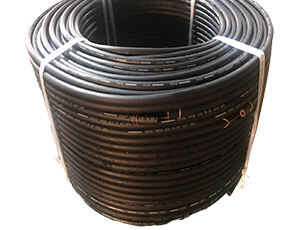
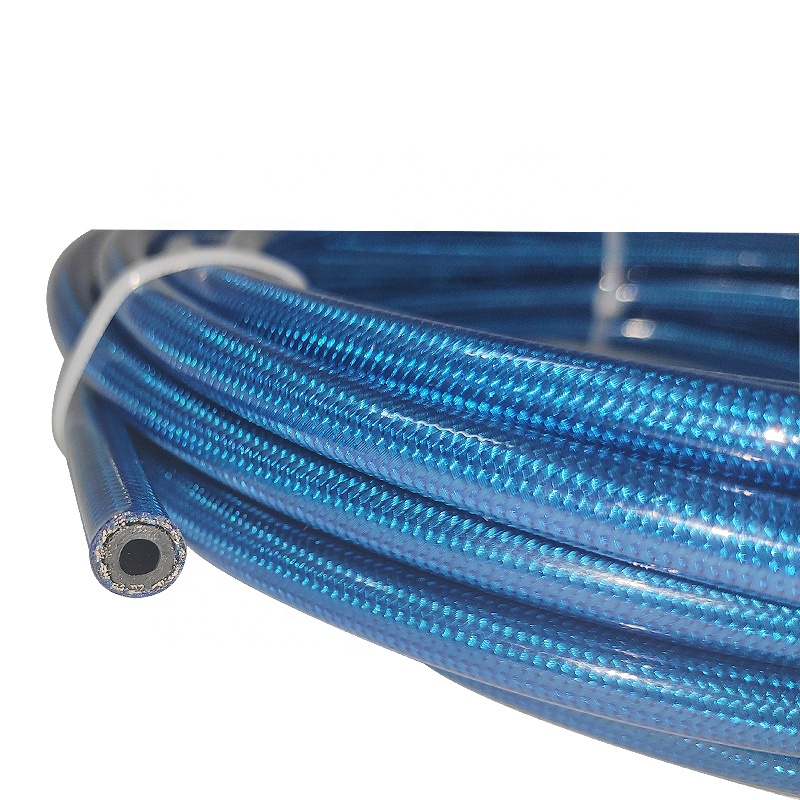
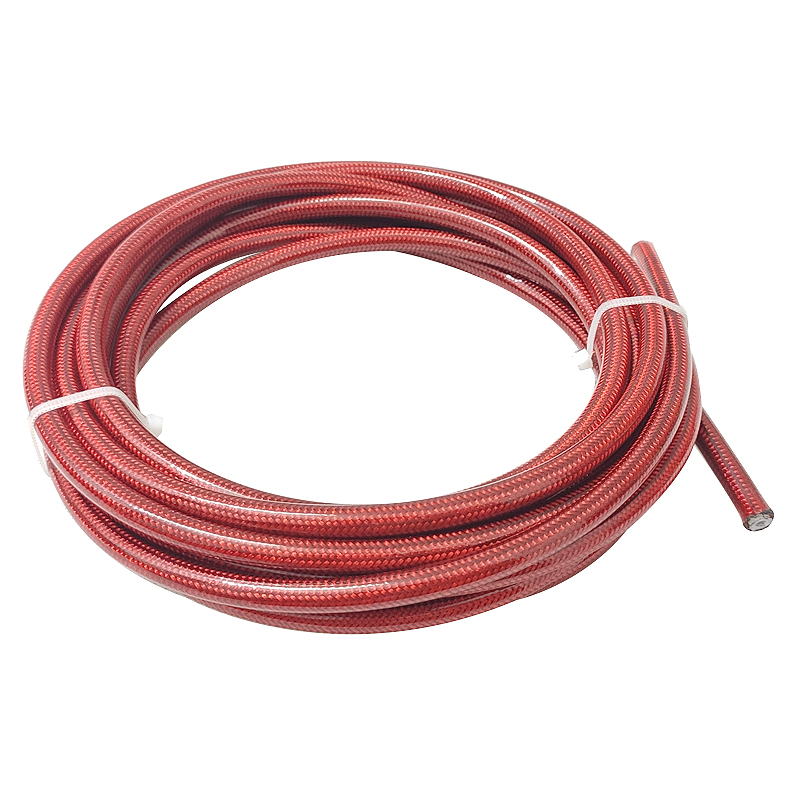
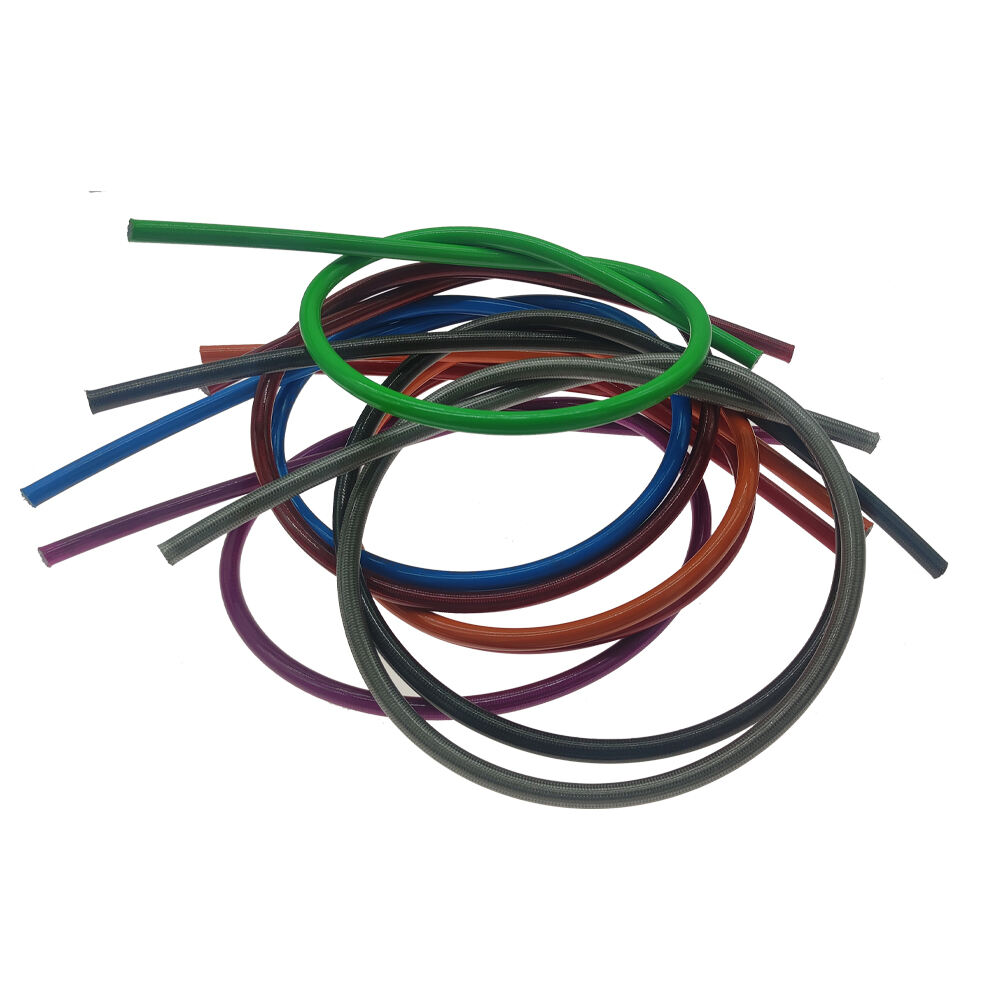
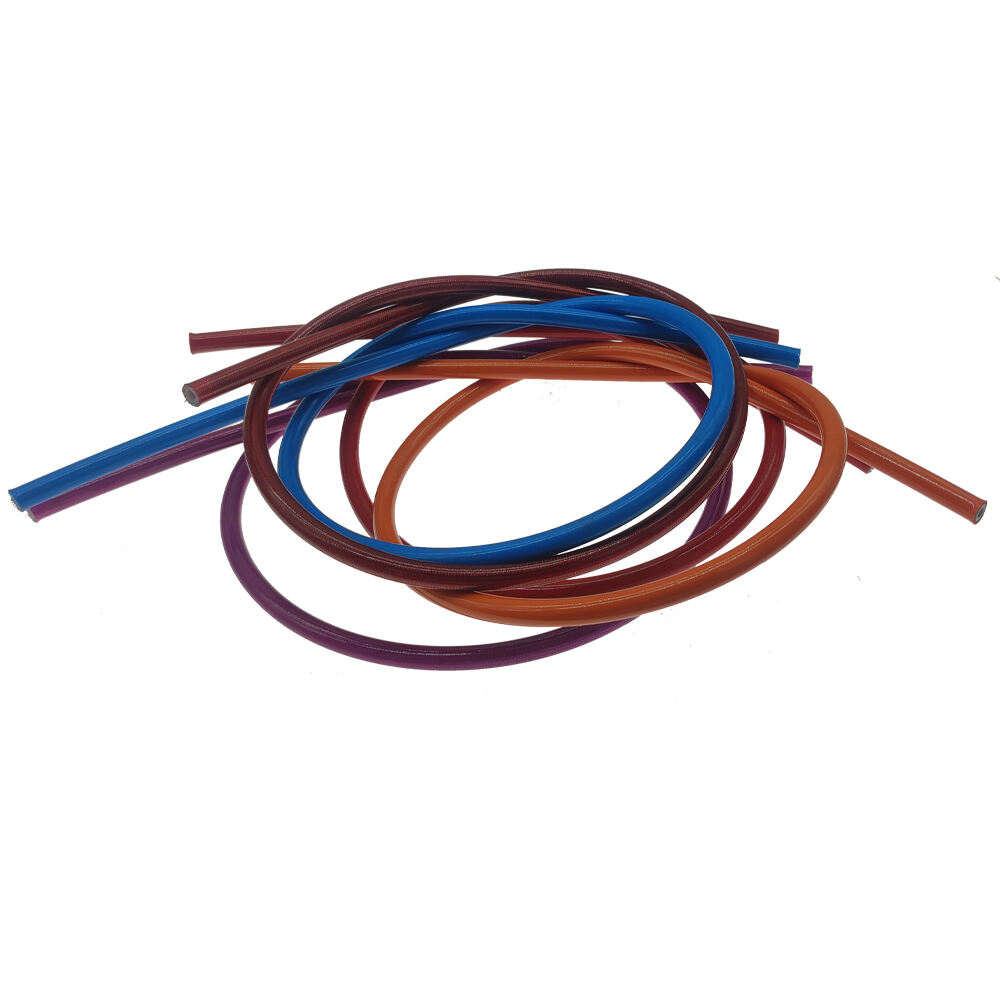
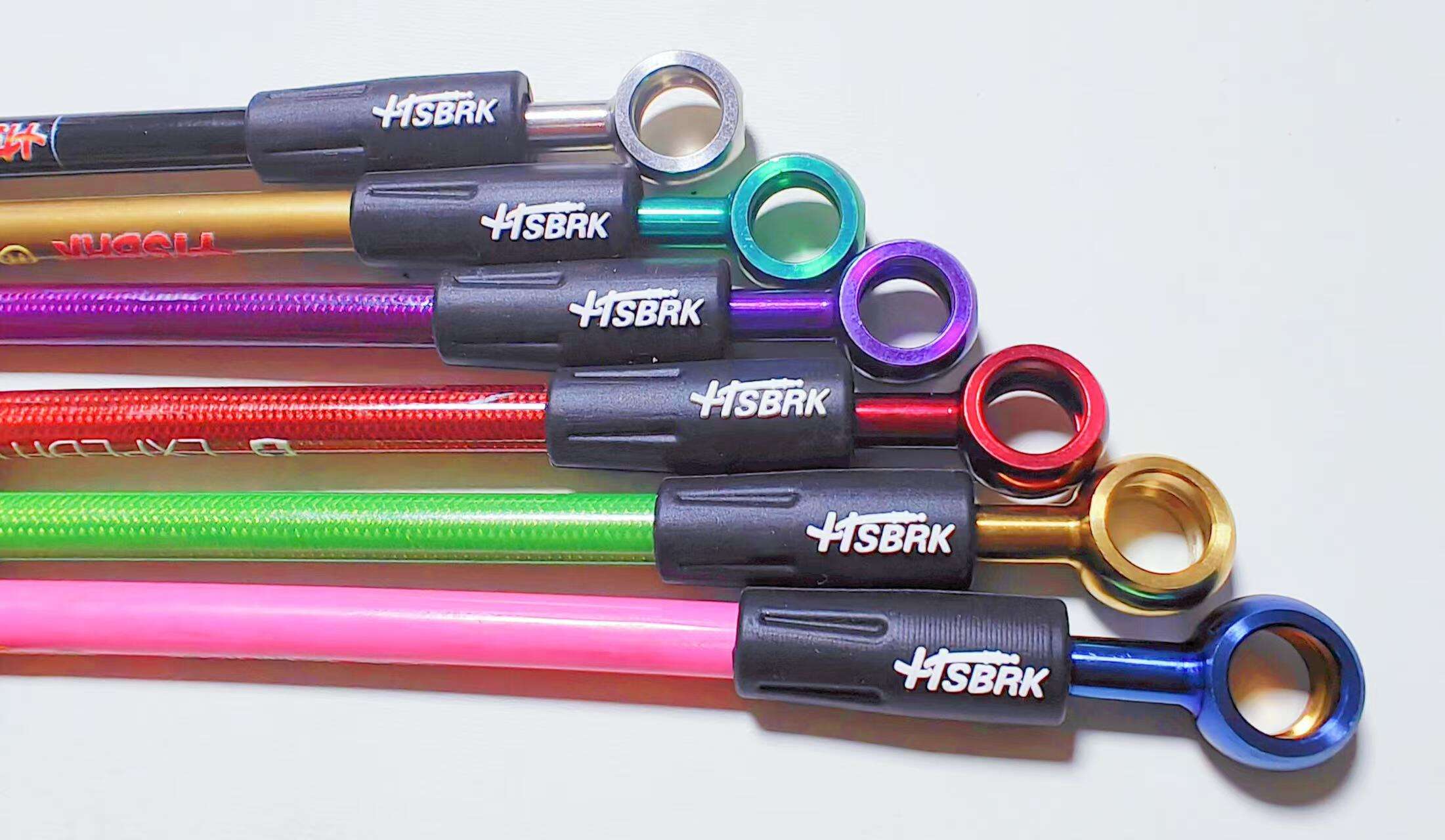
Brake hose generally refers to the flexible pipe in the vehicle brake system used to transmit brake fluid. It is usually made of materials such as rubber or plastic, and may have a braided layer or a metal mesh on the outside for reinforcement to enhance its pressure resistance and tensile strength. Types of brake hoses include steel braided brake hose, which has high strength and wear resistance; stainless steel brake hose with good corrosion resistance; PTFE braided hose with excellent chemical resistance and high temperature resistance; motorcycles brake hose designed specifically for motorcycle brake systems; nylon brake hose made of nylon with good wear resistance and oil resistance; and PTFE brake hose made of PTFE maintaining stable performance under high temperature and pressure. These different types of brake hoses meet various needs of different brake systems.
Get A Quote

Advantages

High Flexibility for Complex Installations

Brake hoses are extremely flexible. They can be bent and shaped to fit complex installation spaces in vehicles, such as around wheels and in tight engine compartments. This flexibility ensures proper connection of the brake system, adapting to different vehicle designs.

Corrosion - Resistant Materials for Longevity

Brake hoses are often constructed with corrosion - resistant materials. This feature enables them to maintain performance in harsh environments like rainy or salty conditions, extending their service life and reducing the risk of failure due to corrosion.

Vibration Absorption for Smooth Braking

Brake hoses have the ability to absorb vibrations during the braking process. This results in a smooth and stable braking experience, reducing noise and enhancing vehicle operation comfort, improving the overall driving experience.

Related products

The functions of brake pipe fittings include connecting brake pipes or hoses to relevant system components such as the master cylinder, calipers, and distribution blocks. The purpose of these components is to achieve a secure and leak - free connection. Brake pipe fittings are commonly made of steel, brass, or aluminum because these materials endure high pressures in the braking system. There are several types of brake pipe fittings: compression fittings, flare fittings, and quick - connect fittings. A compression fitting uses a nut and sleeve to compress the pipe or hose against the fitting. Seal is created and achieved. With flare fittings, the end of the pipe or hose is “flared” to match the shape of the fitting. Quick - connect fittings permit easy and fast disconnection and connection. Addition of brake pipe fittings adds to the overall safety and efficiency of the entire braking system.

Frequently Asked Questions

What is the function of a brake hose in a vehicle?

The function of a brake hose in a vehicle is to transmit brake fluid from the master cylinder to the brake calipers or wheel cylinders. It provides a flexible connection, allowing the wheels to move freely while maintaining the transfer of braking pressure, which is essential for effective braking and vehicle safety.
Brake hoses are commonly made of materials such as rubber, nylon, and PTFE. Rubber hoses are flexible and cost - effective, often reinforced with materials like polyester threads for strength. Nylon hoses offer good abrasion and oil resistance. PTFE hoses have excellent chemical resistance, high - temperature resistance, and low friction, suitable for high - performance applications.
Brake hoses are designed to withstand high pressure through their construction. They often have multiple layers, such as an inner tube to hold the brake fluid, a reinforcement layer (like braided steel wire, polyester thread, or nylon braid) to increase strength, and an outer protective layer. These layers work together to distribute the pressure evenly and prevent the hose from bursting under the high pressures generated during braking.
Yes, depending on the material. For example, PTFE - based brake hoses can withstand high temperatures up to around 200 degrees Celsius due to the high - temperature resistance of PTFE. Some rubber hoses are also designed to have good low - temperature flexibility and high - temperature compatibility. However, it's important to choose the right type of brake hose based on the specific temperature range of the vehicle's operating environment.
Most brake hoses are designed to be compatible with common brake fluids like DOT 3, DOT 4, and DOT 5.1. However, it's crucial to check the manufacturer's specifications. Some specialized brake fluids or fluids with unique chemical compositions may require specific types of brake hoses to ensure compatibility and prevent damage to the hose and potential brake system failures.
Braided brake hoses, such as those with a steel or nylon braid, offer several advantages over non - braided ones. The braided layer provides increased strength and resistance to expansion under pressure, ensuring more consistent brake performance. They also have better durability, are more resistant to abrasion, and can maintain their shape and integrity over a longer period, leading to more reliable braking in the long run.

Related Articles

Stainless Steel Brake Lines: The Key to a Reliable Brake System

08

Apr

Stainless Steel Brake Lines: The Key to a Reliable Brake System

Why Stainless Steel Brake Lines Enhance Brake Reliability Superior Durability Compared to Rubber Brake Hoses When it comes to lasting power, stainless steel brake lines beat rubber hoses hands down. Most folks find that these metal lines can stick a...
View More
Chongqing Motorcycle Expo

24

Apr

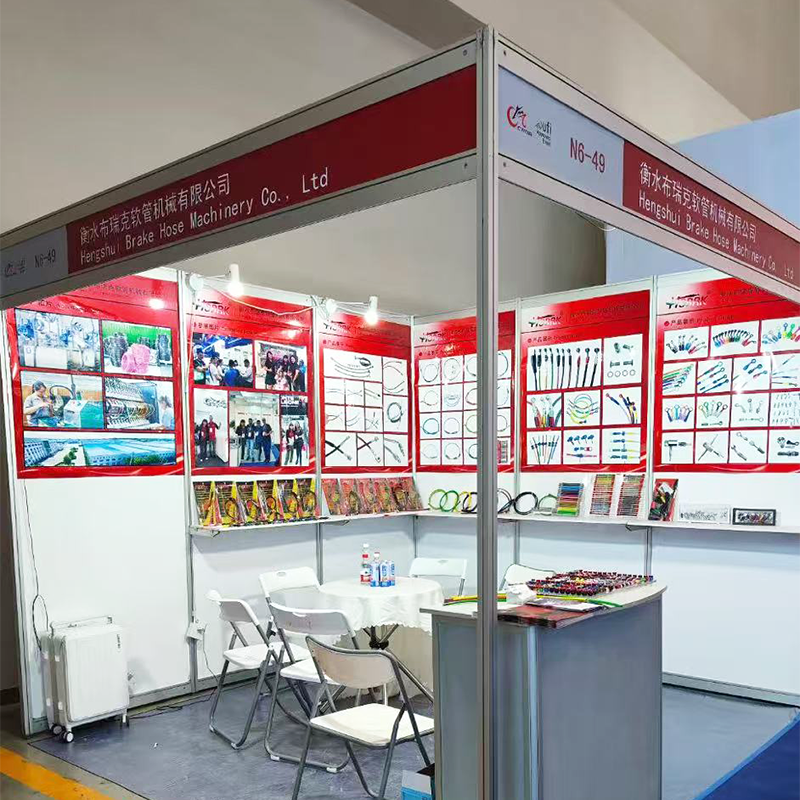
Chongqing Motorcycle Expo

View More
MALAYSIA AUTOMOTIVE ROBOTICS AND IOT INSTITUTE

21

Feb

MALAYSIA AUTOMOTIVE ROBOTICS AND IOT INSTITUTE

View More
Milan Exhibition

21

Feb

Milan Exhibition

View More

Customer Reviews

Mike Black
Great for Harsh Environments

I live in an area with extreme weather conditions, and this nylon brake hose has held up remarkably well. It has good heat resistance, and its oil and chemical resistance are impressive. I don't have to worry about it getting damaged by the various fluids in my car's engine bay. The 304 steel wire wrapping adds an extra layer of strength. It's easy to bend and install, and it has significantly improved my car's braking performance.

Emily Green
Improved Braking Responsiveness

After installing the company's brake hose on my vehicle, I immediately noticed an improvement in braking responsiveness. The hose is well - built and can handle the pressure from the brake fluid efficiently. It's made of quality materials, and the outer layer is resistant to abrasion. The installation process was straightforward, and it has been working flawlessly ever since. I'm very satisfied with this product.

Get a Free Quote

Our representative will contact you soon.
Email
Name
Company Name
Message
0/1000
Easy Replacement and Maintenance

Easy Replacement and Maintenance

When a brake hose requires replacement or maintenance, the process is relatively straightforward. Mechanics can quickly remove and install new hoses, minimizing vehicle downtime and maintenance costs, which is beneficial for vehicle owners and service providers.