 EN
EN

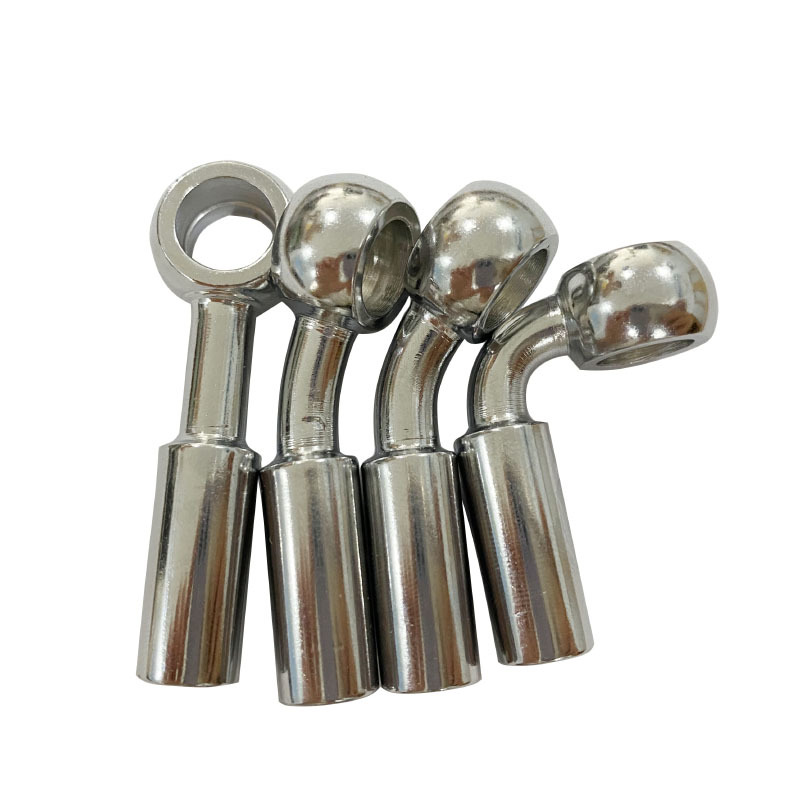
The Fundamental Role of Brake Lines in Hybrid Hydraulic Systems
How brake lines transmit hydraulic pressure in modern braking systems
The brake lines serve as the main channels that carry hydraulic pressure throughout today's braking systems. Pressing down on the brake pedal sends pressurized fluid traveling along these sealed tubes from the master cylinder all the way out to the calipers or wheel cylinders, which basically multiplies the force applied by the driver. MotorTrend did some testing on how hydraulic brakes work, and they found these systems can push around 2,000 pounds per square inch of pressure almost instantly. Keeping the brake fluid intact really matters too. If there's even a small bend or leak somewhere in those lines, it could cut stopping power down by nearly half when someone needs to stop suddenly in an emergency situation.
Key differences in brake line requirements: traditional vs. hybrid vehicles
Brake line design faces some pretty different challenges in hybrid vehicles compared to what we see in regular cars. Traditional braking systems deal with steady hydraulic pressure whenever someone hits the brakes, but hybrids work differently. They switch back and forth between regenerative electric braking and old fashioned friction braking. What happens is these sudden shifts create pressure spikes in the hydraulic system when it kicks in, so manufacturers need to build brake lines that can handle about 35 percent more pressure than normal car parts. There's another issue too. The brake lines have to stand up against something called electrochemical corrosion from all those voltage changes that come with regenerative braking. This kind of problem just doesn't exist in traditional gas powered engines at all.
Evolution of brake line materials: from steel to advanced composites
Car makers are moving away from old school steel components toward these new composite stuff because hybrids need better performance while keeping energy efficient. Regular stainless steel parts might last forever but they pack on about 4 pounds extra weight for each car built. That's no small deal when it comes to electric vehicles since every pound affects how far they can go between charges. The newer composite alternatives incorporate something called aramid fibers inside plastic bases, which gives them similar strength properties but cuts down the weight by almost two thirds. Another big plus is their ability to resist rust much better too. Testing shows these composites hold up against salt water exposure around 80 percent better than traditional materials according to standard tests used across the industry. This means fewer maintenance stops over time and generally more dependable operation especially important for those hybrid models that bridge both gas and electric driving modes.
The importance of durability and quality in hybrid vehicle brake lines
Even though regenerative braking cuts down on mechanical wear, hybrid brake lines face some pretty tough conditions none the less. When someone slams on the brakes in an emergency or if the battery runs low, the hydraulic system kicks in all at once, creating pressure surges that can hit around 1800 pounds per square inch. The better quality lines made specifically for hybrids have several layers built right in, including Kevlar for strength and special fluoropolymer coatings on top. Tests show these advanced lines last about 72 percent longer than regular ones before needing replacement. Manufacturers design them this way so they can keep working properly for well over 150 thousand miles, no matter what kind of temperature extremes or changing loads come their way during normal driving conditions.
Integration of Hydraulic and Regenerative Braking Through Brake Lines
Challenges in synchronizing electric regenerative and hydraulic braking components
Getting the timing right between regenerative braking and traditional hydraulic systems remains a big headache for automotive engineers working on hybrids. The brake lines serve as the hydraulic connection point where pressure changes need to match up with reductions in electric motor torque pretty much instantly - we're talking somewhere between 50 to 150 milliseconds here. But things get complicated because factors such as changing temperatures, differences in how thick the fluid becomes over time, and parts getting older all create these annoying delays called hysteresis that mess up smooth transitions when switching between braking methods. That's why manufacturers have started incorporating these advanced pressure control valves into their designs. These components do wonders for keeping that familiar brake pedal sensation consistent whether drivers are using just the electric system, just the hydraulic one, or both at once.
Signal and force coordination between systems via brake line response
Modern brake lines do more than just transmit force through the system. They actually act as conduits for real time data signals too. The pressure sensors built right into these lines send all sorts of information back to the car's electronic control unit, or ECU for short. This helps figure out exactly how much regenerative braking power should go to each wheel at any given moment. What makes this setup so smart is that there's two way communication happening constantly. The ECU can detect when there's a delay in hydraulic response and adjust accordingly before things get out of hand. This matters most when driving on slippery roads where trying to apply brakes across all wheels at once might actually cause the car to spin out instead of stopping safely.
Case study: Brake line performance during mode transitions in hybrid vehicles
Evaluations of a popular hybrid model reveal key insights into brake line behavior during regenerative-to-hydraulic transitions:
| Transition Phase | Brake Line Pressure Variance | System Response Time |
|---|---|---|
| Initial regeneration | 8–12 bar | 82 ms |
| Hydraulic takeover | 18–24 bar | 112 ms |
| Full mechanical engagement | 32–38 bar | 67 ms |
The results show that reinforced multi-layer brake lines reduce pressure fluctuations by 37% compared to single-wall designs, underscoring their importance in managing hybrid-specific stress patterns. Despite these improvements, biannual inspections remain necessary to verify line integrity and seal condition.
Impact of Regenerative Braking on Brake Line Usage and Longevity
Reduced mechanical braking frequency due to regenerative energy recovery
Most hybrid cars focus heavily on regenerative braking systems. When slowing down, these systems capture the kinetic energy from movement and turn it into electricity instead of just wasting it as heat. City drivers will notice something interesting too. The reliance on traditional hydraulic brakes drops around 70% in stop-and-go traffic conditions. That means brake lines aren't subjected to so many pressure changes anymore. According to findings published last year in an industry report on automotive braking tech, this reduced activity actually puts less wear and tear on the entire braking system. Best part? Drivers still get reliable stopping power when they need it most.
Extended service life of brake lines in hybrid vehicles
Modern hybrid brake lines often use advanced materials such as stainless-steel-braided PTFE, which offer 3–5 times the lifespan of traditional rubber hoses. Combined with fewer operational cycles and superior corrosion resistance, these upgrades extend brake line longevity by more than 60,000 miles under typical driving conditions.
Data insight: 40% decrease in brake wear in hybrids (NHTSA, 2022)
A 2022 National Highway Traffic Safety Administration (NHTSA) study found that hybrids experience 40% slower brake pad wear and 35% less brake fluid degradation than conventional vehicles. This reduced wear directly correlates with decreased strain on brake lines, thanks to the dominance of regenerative braking in everyday operation.
Why lower wear doesn’t reduce the need for regular brake line maintenance
Even though hybrid brake lines last longer than traditional ones, they still run into trouble over time. Problems include electrolytic corrosion caused by those high voltage systems, plus thermal stress when switching between driving modes. And let's not forget about the wear and tear from those sudden pressure surges that can hit anywhere between 3,000 to 4,000 PSI during emergency stops. Because of all these potential issues, regular checkups around the 25,000 mile mark really matter. Mechanics need to look out for tiny leaks, developing cracks, or any problems with how sensors connect. Catching these things early prevents bigger headaches down the road and keeps everyone safe on the road.
Cooperative Braking Strategies and Real-Time Torque Distribution
Principles of Cooperative Braking in Hybrid Electric Vehicles
The combination of regenerative and hydraulic braking in cooperative systems works together pretty well to get the most out of energy recovery without compromising safety or how responsive the vehicle feels. When driving at slower speeds, regenerative braking takes care of most of the slowing down, but the hydraulic part kicks in whenever extra stopping power becomes necessary. Some research from last year looked into different approaches for these cooperative braking systems, and what they discovered was interesting: when torque gets distributed properly, vehicles can actually save between 18 to 22 percent more energy than regular braking setups. That's quite a jump considering how much fuel this kind of improvement could translate into over time.
Dynamic Torque Distribution Between Electric Motor and Hydraulic System
The Electronic Braking Force Distribution or EBD system works by distributing power between the electric motor and regular brakes depending on how fast we're going, what kind of road surface there is, and where the battery stands. When driving under about 25 miles per hour, most of the stopping power comes from regenerative braking. But when someone slams on the brakes hard, the hydraulic system kicks in more gradually. These systems rely on pretty smart computer programs that can shift around the braking forces in just 40 milliseconds, which is way quicker than any person could react. Tiny pressure sensors built right into the brake lines allow these adjustments to happen almost instantly, making sure both types of braking work together smoothly without causing instability.
Critical Role of Brake Lines in Consistent Braking Under Variable Loads
Despite being used less frequently these days, brake lines still play a crucial role in making sure the right amount of hydraulic pressure gets where it needs to go when shifting torque. Most modern hybrids come equipped with high quality stainless steel brake lines coated in thermoplastic material. These upgraded lines can handle about three times the pressure (around 4,500 psi or more) compared to old fashioned rubber hoses. They're built to take the pounding from all those pressure changes that happen during the switch between regenerative braking and normal hydraulic operation, which keeps the brake pedal feeling predictable and responsive. The problem comes when these lines start to age though. Small cracks or corrosion buildup can actually slow down how quickly the brakes respond in an emergency situation by anywhere from 15% to 30%. That's why checking them regularly remains so important for safety.
Safety, Maintenance, and Industry Standards for Hybrid Brake Lines
Common Failure Modes: Leaks, Corrosion, and Sensor Integration Issues
Hybrid brake lines can fail in several ways, with internal leaks being one common problem that accounts for around 22% of early replacements. Road salt causes external corrosion too, and there's also the issue where electromagnetic noise interferes with pressure sensors. All these problems happen because hybrid systems put the lines under really high pressure sometimes reaching as much as 290 bar, plus they're dealing with all sorts of electrical components at once. Brake lines that follow SAE J1401 standards go through tough testing processes. They need to withstand bursts up to 870 bar and survive more than 50 thousand bending cycles before showing wear. Meanwhile regulations set by NHTSA FMVSS 106 keep volumetric expansion below 2.5 ml per foot, which helps maintain consistent brake pedal feel during operation.
Best Practices for Brake Line Inspection in Regenerative Braking Systems
To ensure long-term reliability, technicians should follow three key inspection practices:
- Visual checks for swelling, cracking, or abrasion in flexible hose sections every 30,000 miles
- Application of dielectric grease on sensor connectors to prevent signal loss
- Testing brake fluid for moisture content above 3%, which accelerates corrosion in metal-reinforced lines
Compliance with ISO 26262 and Redundancy in Safety-Critical Brake Design
Hybrid brake systems today need to meet those ISO 26262 safety requirements, which basically means having backup hydraulic circuits and components that work properly across extreme temperatures ranging from minus 40 degrees Celsius all the way up to 150 degrees. These specs actually go hand in hand with what SAE J1401 says about fail operational design. So even when a single brake line goes out, drivers can still stop their vehicles effectively. There's a limit though on how much stopping power gets lost during those tricky moments when the system switches from regenerative braking back to regular hydraulic brakes. Most standards allow for around a 30% drop off at most before things get dangerous. Car manufacturers spend a lot of time testing these systems because nobody wants their brakes to fail while driving down the highway.
FAQ
What role do brake lines play in hybrid vehicles?
Brake lines in hybrid vehicles transmit hydraulic pressure, vital for coordinating the vehicle's hydraulic and regenerative braking systems, facilitating reliable stopping power.
What materials are used in hybrid vehicle brake lines?
Modern hybrid brake lines often use advanced materials like aramid fiber composites or stainless-steel-braided PTFE, chosen for their lightweight, durable nature and ability to withstand higher pressures and corrode more slowly than traditional materials.
How often should hybrid vehicle brake lines be inspected?
Regular inspections are recommended around every 25,000 to 30,000 miles to check for wear, tear, swelling, or cracks, ensuring safety and line integrity.
Why do hybrid vehicles experience less brake wear?
Hybrid vehicles typically rely more on regenerative braking, which recaptures energy, reducing mechanical brake use, thus decreasing wear and tear on brake lines.
Table of Contents
- The Fundamental Role of Brake Lines in Hybrid Hydraulic Systems
- Integration of Hydraulic and Regenerative Braking Through Brake Lines
- Impact of Regenerative Braking on Brake Line Usage and Longevity
- Cooperative Braking Strategies and Real-Time Torque Distribution
- Safety, Maintenance, and Industry Standards for Hybrid Brake Lines
- FAQ