 EN
EN

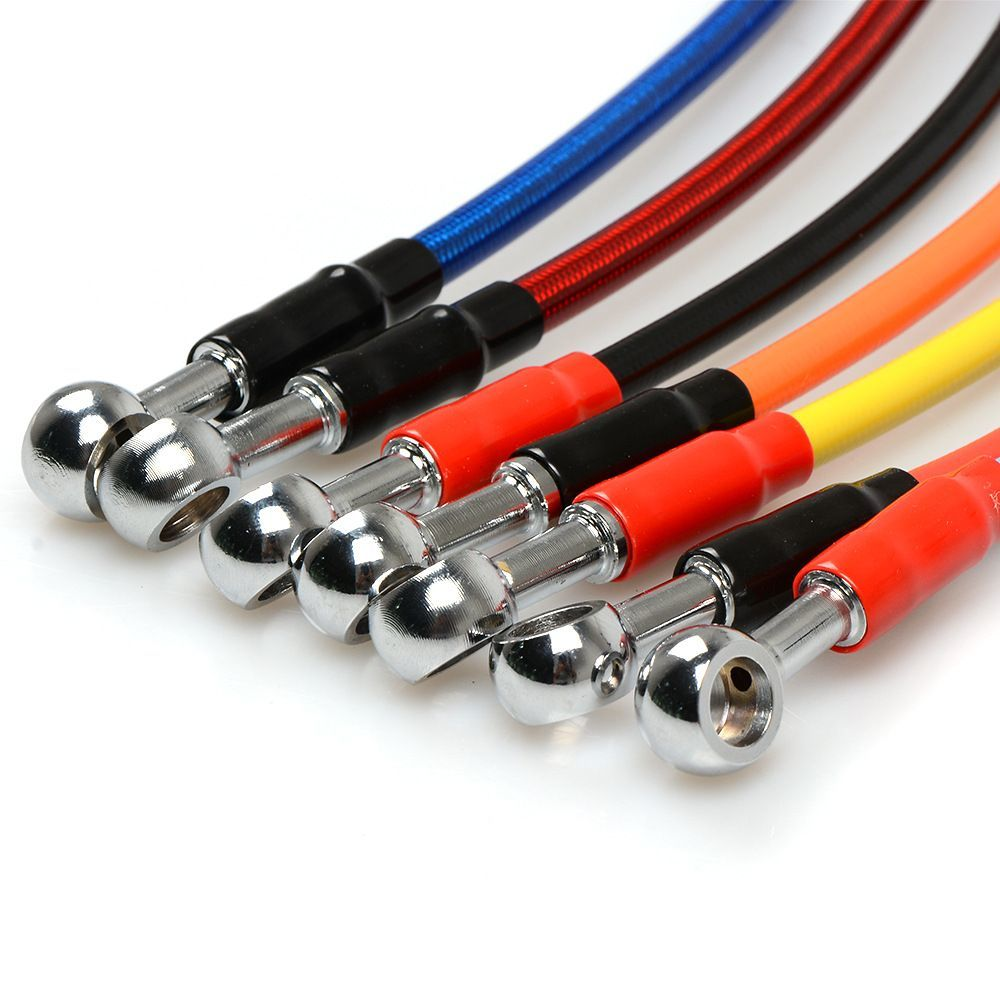
PTFE Material: The Foundation of High-Temperature Resistance in Brake Hoses
How Braking Generates Extreme Heat and Stresses Hose Materials
When brakes are applied, they turn motion energy into heat, which pushes brake hose temps well beyond 500 degrees Fahrenheit (around 260 Celsius). For trucks and other heavy machinery making frequent stops, this constant heating and cooling cycle breaks down regular rubber hoses over time. The hoses start to blister on the surface, get rock hard in spots, and eventually let fluids seep through microscopic cracks. What happens next is serious stuff - as materials break down under these extreme conditions, we see sudden pressure losses and slower brake responses that put everyone at risk on the road.
Why PTFE Excels Under High Heat: Chemical Stability and Thermal Limits
PTFE stays strong even when exposed to extreme heat because of how its molecules are structured and can handle temperatures as high as 500 degrees Fahrenheit without breaking down. Rubber is different since it tends to soak up brake fluid, which causes problems like swelling and pressure drops when things get hot for long periods (this was noted by Parker Hannifin back in 2022). Tests have found that PTFE hoses keep about 98 percent of their bursting strength after sitting at 400 degrees for 1,000 hours straight. Meanwhile rubber hoses fail around 62 percent of the time under those same harsh conditions.
Real-World Performance: PTFE Hoses in Motorsports and Heavy-Duty Applications
Formula 1 teams using PTFE brake hoses report 30% longer service intervals in track conditions where carbon brake systems exceed 750°F. Arctic mining fleets have reduced hydraulic failure rates by 41% after switching to steel-braided PTFE lines, per Marshall Equipment field data.
Selecting PTFE Brake Hoses for Maximum Thermal Resilience
Prioritize these features:
- Dual-layer stainless steel braiding for pressure stability
- Temperature ratings matching your vehicle’s peak operating range
- DOT/ISO 9001 certification for impulse cycle performance
Avoid economy-grade PTFE hoses using thin inner liners (<0.5mm), which compromise longevity in extreme heat cycles.
Low-Temperature Flexibility and Cold-Weather Durability of Brake Hoses
Challenges of Hydraulic Hose Performance in Sub-Zero Environments
When brake hoses work in temps under minus 40 degrees Fahrenheit, they run into serious problems with materials breaking down fast. According to NHTSA data from last year, about three quarters of all hydraulic system breakdowns happen because the hoses get too brittle in freezing weather. The colder it gets, the worse things become for regular rubber compounds which can lose somewhere around 60 to maybe even 70 percent of their usual flexibility. This makes cracks much more likely to spread when the vehicle turns corners or goes over bumps in the road. Cold weather does something else bad too it thickens up the fluid inside these systems so much that pressure can jump as high as 8,500 pounds per square inch. That kind of stress really puts those hoses through their paces according to what SAE J1401 says about how well they should handle bending in freezing conditions.
Material Science Behind Cold-Resistant Brake Hose Construction
Advanced formulations blend synthetic rubbers (HNBR/FKM) with silicone-modified thermoplastics to maintain -65°F flexibility thresholds. Multi-layered designs incorporate:
| Layer | Function |
|---|---|
| Inner | PTFE liner resistant to -328°F |
| Middle | Aramid fiber reinforcement for burst resistance |
| Outer | UV-stabilized elastomer preventing ozone cracks |
This architecture allows 20% greater bend radii retention compared to conventional EPDM hoses in cold storage trials (ISO 1817).
Field Performance: Reinforced Brake Hoses in Arctic Fleet Operations
Arctic logistics operators report 92% fewer cold-weather hose failures after switching to triple-layer PTFE/aramid designs—14-month testing by Transport Canada (2023) showed zero crack formations in -50°F operational conditions. Critical factors include:
- Dynamic pressure cycling endurance (4,000+ cold impulse cycles)
- Ice particle abrasion resistance from galvanized end fittings
- Elimination of capillary condensation through hydrophobic liners
Emerging Trends in Cold-Weather Resilient Hose Materials
Recent R&D focuses on graphene-enhanced polymers demonstrating 40% better thermal conductivity for faster cold startup performance. Hybrid fluorocarbon composites now achieve -94°F flexibility while maintaining 300°F thermal ceilings—a 33% operational range expansion over legacy materials (SAE Paper 2024-28-0019).
PTFE vs. Rubber Brake Hoses: Performance Comparison in Extreme Conditions
Thermal Cycling and the Failure Points of Traditional Rubber Hoses
When rubber hoses get hit by braking heat over and over again, they start to harden and develop those tiny cracks we call micro-cracks. Some tests in the industry have found that after about 200 thermal cycles, these hoses lose around 37% of their original flexibility. Most standard rubber materials begin to break down when temps hit around 250 degrees Fahrenheit (that's about 121 Celsius), which is way lower than what we actually see during serious performance driving where temperatures can spike to 350 F (or 177 C). What happens next is pretty bad for the system. The heat damage makes the inner tubes separate from their layers faster, something mechanics have seen time and time again in trucks and other heavy vehicles under stress.
Structural Differences: Inner Liner, Braid Layer, and Overall Durability
PTFE hoses have this cool feature where they're made from a single piece without any seams, which means there are no spots where fluids can leak through like what happens with regular rubber hoses that have layers. Speaking of strength, those high quality brake hoses reinforced with stainless steel braiding offer something pretty impressive compared to standard rubber ones. We're talking about roughly twelve times better resistance before bursting, all while keeping their shape almost perfectly (about 98%) even when temperatures swing wildly between minus 40 degrees Fahrenheit and as hot as 400 degrees Fahrenheit. That kind of performance makes them ideal for applications where reliability matters most.
Longevity and Cost Analysis: PTFE vs. Rubber in Commercial Truck Fleets
Fleet maintenance records show PTFE brake hoses averaging 180,000 miles between replacements compared to rubber’s 60,000-mile service life. Though PTFE solutions cost 2.8x upfront, their 3:1 longevity ratio delivers 19% lower total cost per mile when factoring in downtime and fluid contamination incidents.
Hybrid Solutions: Kevlar and Stainless Steel Reinforcements in Modern Hoses
Recent advancements combine PTFE liners with aramid fiber braids, achieving 4,200 PSI burst strength while weighing 40% less than all-metal designs. These hybrid constructions resolve cold-weather stiffening issues through directional braid patterns that maintain flexibility at -65°F (-54°C).
The Problem of Expansion in Standard Rubber Brake Lines
Regular rubber brake hoses tend to swell when hydraulic pressure builds up inside them, which leads to slower pedal feedback and less accurate braking overall. What mechanics call this "ballooning" gets worse after multiple hard stops at high temperatures because rubber starts breaking down once it hits around 300 degrees Fahrenheit or so. According to research published last year on brake system performance, standard rubber lines without reinforcement can actually grow by about 5 or 6 percent when subjected to really heavy loads. That expansion translates into longer stopping distances too, with tests showing cars taking roughly 12% more space to come to a complete halt in demanding driving conditions.
How Stainless Steel Braiding Improves Pressure Response and Durability
When it comes to expansion issues, stainless steel braiding cuts down on expansion by about 92% when compared with just rubber designs. What does this mean practically? The pressure gets transferred much faster from the brake pedal all the way to the caliper. Now looking at how these components are built, we have a dual layer system that brings together what makes PTFE so good at resisting chemicals with the incredible tensile strength of steel. Recent tests on automotive parts showed these steel braided lines can handle bursts up around 18,000 psi. And here's another benefit worth mentioning: this particular design keeps things working smoothly even when temperatures swing wildly between minus 40 degrees Fahrenheit right up to an impressive 480 degrees Fahrenheit. That kind of performance makes sense for vehicles operating in extreme conditions where reliability counts most.
Performance Validation: Track Vehicles with Braided PTFE Hoses
Race teams using braided PTFE hoses report:
- 37% fewer mid-race brake fluid replacements
- 14% faster average lap times due to predictable modulation
- Zero heat-related failures in 24-hour endurance events
Are Braided Hoses Worth It for Daily-Driven Vehicles?
While primarily engineered for motorsports, stainless steel brake hoses benefit commuter vehicles through:
- Extended service intervals (7–10 years vs. rubber’s 3–5 years)
- Improved wet-weather braking response
- Resistance to road salt degradation
The initial 2.5x cost premium over rubber lines aligns with long-term reliability, particularly in regions with extreme temperature swings or heavy towing demands.
Industry Standards and Testing for Extreme-Temperature Brake Hose Performance
Real-World Thermal Shock Scenarios in Braking Systems
When brakes are slammed on hard, brake hoses can endure temperature changes of over 300 degrees Fahrenheit (about 149 Celsius), then quickly cool down when exposed to freezing conditions. All these extreme temperature shifts tend to cause tiny cracks in lower quality materials, which eventually leads to problems with maintaining proper hydraulic pressure. Take SAE J1401 certified hoses for instance they need to withstand around 500 cycles between minus 40 degrees and 302 degrees Fahrenheit without any leaks. This testing standard actually came about because engineers looked at why so many heavy trucks broke down in those steep mountain areas where temperatures fluctuate wildly from day to night.
High-Temperature Impulse Testing: Protocols and Compliance (DOT, ISO)
DOT-compliant brake hoses undergo 4,000 PSI burst testing and 35-hour whip tests simulating decade-long wear in 3 months. Manufacturers combine this with ISO 6805 impulse testing—5,000 pressure cycles at 302°F—to validate material stability. Hoses passing these benchmarks show ±2% volumetric expansion under load, critical for maintaining brake pedal responsiveness in emergency stops.
Laboratory Validation of Multi-Layered High-Performance Brake Hoses
Independent labs use -40°F cold bend tests and 160-hour ozone exposure trials to assess multi-layer PTFE/steel hoses. Recent studies show SAE J1401-compliant designs withstand 3x more thermal cycles than basic rubber hoses while maintaining 98.7% hydraulic efficiency—a key factor in arctic fleet safety improvements.
How to Verify a Brake Hose’s Suitability for Extreme Temperature Use
- Check markings: Look for SAE J1401, DOT, or ISO 6805 engravings on the hose and fittings
- Review test data: Manufacturers must provide third-party validation of burst strength (-65°F to 302°F range)
- Assess construction: Stainless steel braiding and PTFE liners indicate advanced temperature resilience
Commercial fleets using standardized hoses report 67% fewer cold-weather brake failures (NHTSA 2022), proving the value of rigorous certification.
FAQs
Why is PTFE preferred over rubber for high-temperature brake hoses?
PTFE offers superior chemical stability and thermal resistance, maintaining structural integrity up to 500 degrees Fahrenheit, whereas rubber breaks down more easily under heat and pressure.
How do PTFE hoses perform in cold environments?
PTFE hoses, especially when reinforced with layers like aramid fiber, maintain flexibility and prevent cracking in cold conditions, providing superior performance over traditional rubber hoses.
Are stainless steel braided brake hoses worth the investment for everyday vehicles?
Yes, despite a higher upfront cost, they offer extended service life, improved weather resistance, and better braking performance, making them a worthwhile investment for vehicles exposed to extreme conditions.
Table of Contents
- PTFE Material: The Foundation of High-Temperature Resistance in Brake Hoses
- Low-Temperature Flexibility and Cold-Weather Durability of Brake Hoses
- PTFE vs. Rubber Brake Hoses: Performance Comparison in Extreme Conditions
- The Problem of Expansion in Standard Rubber Brake Lines
- How Stainless Steel Braiding Improves Pressure Response and Durability
- Performance Validation: Track Vehicles with Braided PTFE Hoses
- Are Braided Hoses Worth It for Daily-Driven Vehicles?
- Industry Standards and Testing for Extreme-Temperature Brake Hose Performance
- FAQs