 EN
EN

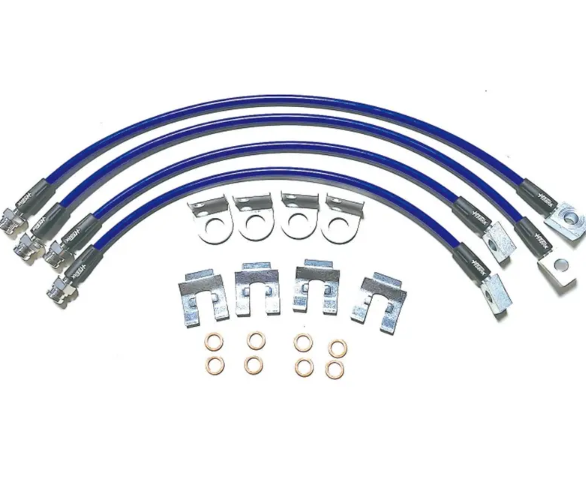
Why Corrosion Resistance Defines Performance in Stainless Steel Brake Lines
The Chromium Oxide Barrier: How 304 and 316 Stainless Steel Resist Electrochemical Degradation
The stainless steel used in brake lines works because chromium forms a tiny protective layer of chromium oxide when it touches oxygen. This thin film acts as a barrier that stops harmful chemicals from getting into the metal. That means road salt and moisture can't cause those annoying pits or weaken the structure over time. Most standard applications use grade 304 stainless steel which has around 18% chromium for good protection. But if vehicles are going to be exposed to harsher conditions near the coast or during winter roads treated with salt, manufacturers often go with grade 316 instead. This version includes an extra 2 to 3 percent molybdenum that makes it much better at resisting damage from chlorides. Tests show this addition cuts down on pitting problems by about 40% in areas where salt builds up. The way these materials handle chemical attacks keeps the brake system working properly even after years of dealing with vibrations, temperature changes, and sudden pressure spikes from normal driving conditions.
Salt Spray Reality Check: ASTM B117 Data Showing 5× Longer Failure Resistance vs. Rubber Lines
According to ASTM B117 salt spray tests, stainless steel brake lines can withstand over 1,000 hours of constant exposure to salt fog without failing functionally. That's about five times better than rubber lines, which usually start showing problems after just around 200 hours. Rubber breaks down through what's called permeation. Basically, salt water gets into the hose walls, eats away at the inner reinforcement layers, and causes issues like swelling, soft spots, or even ruptures. Stainless steel works differently. It keeps its protective surface layer pretty much intact throughout testing. After all that salt exposure, inspectors only see some surface discoloration nothing serious enough to affect how well it works hydraulically or structurally. Actual data from vehicle fleets backs this up too. In real world conditions, especially where winters are tough on equipment, stainless steel brake lines tend to last between 5 to 10 years before needing replacement. Rubber lines? They generally need replacing every 2 to 3 years. This difference cuts down on breakdown risks during operation by roughly 70%, according to industry reports.
Durability Gains: Extended Service Life and Pressure Integrity of Stainless Steel Brake Lines
Coastal & Winter Climates: 5–10-Year Lifespan vs. 2–3 Years for Rubber—Validated by Fleet Maintenance Logs
Fleet maintenance records from regional transportation operators consistently show stainless steel brake lines achieving 5–10 years of reliable service in aggressive environments—tripling the 2–3 year lifespan of rubber alternatives. This gap stems from fundamental material limitations of rubber:
- Salt corrosion: Rubber begins deteriorating after 18–24 months of winter road salt exposure, while stainless steel’s passive layer remains impervious.
- Moisture permeation: Rubber absorbs water vapor, leading to internal swelling, reduced burst strength, and inconsistent pedal feel.
- UV degradation: Sunlight embrittles rubber housings within three years—especially problematic in coastal or high-altitude regions.
| Material | Coastal Lifespan | Winter Lifespan | Primary Failure Cause |
|---|---|---|---|
| Rubber Lines | 2–3 years | 2–3 years | Swelling, cracking, braid corrosion |
| Stainless Steel | 8–10 years | 5–7 years | Isolated mechanical wear only |
Thermal Cycling Resilience: Burst Pressure Stability After 10,000 Cycles (SAE J1401 Compliance)
Stainless steel brake lines can hold about 98% of their original burst pressure even after going through around 10,000 thermal cycles between really cold temperatures (-40 degrees Celsius) and hot ones (up to 120 degrees Celsius). These performance specs meet the SAE J1401 standards set for automotive hydraulic systems. On the other hand, rubber brake lines tend to lose somewhere between 15 to 20% of their burst strength when exposed to similar conditions. Why? Because over time, the polymer chains start to break down and tiny cracks begin to spread throughout the material. The stability offered by stainless steel brings several important advantages worth noting. First, drivers experience consistent pedal feel regardless of whether it's freezing outside or sweltering hot. Second, there's absolutely zero chance of brake fluid turning into vapor during intense stops. And third, we completely eliminate those dreaded cold start ruptures that have plagued older rubber systems for years now.
Material Science Behind Reliable Stainless Steel Brake Lines
PTFE Inner Liner + 304/316 Braided Sleeve: Dual-Layer Defense Against Permeation and Abrasion
When it comes to reliability, everything starts with how things are built. High performance stainless steel brake lines feature a special setup where they have a seamless PTFE inner layer wrapped inside a braided exterior made from either 304 or 316 stainless steel. What makes this so good? Well, the PTFE part doesn't let anything seep through like moisture or brake fluid. That means no vapor lock issues, no swelling problems, and definitely no hydraulic fade when stopping hard. Then there's the stainless steel braiding on the outside which gives extra strength against wear and tear while staying stable even when exposed to different chemicals. Rubber hoses tend to stretch out when pressure builds up and break down faster when faced with harsh conditions. But these dual layer systems barely expand at all during normal braking operations. Testing done according to SAE J1401 standards shows that after going through 10,000 temperature changes, these lines still hold up to 98% of their original burst pressure. For vehicles used near saltwater environments, this kind of construction lasts about three times longer than regular rubber alternatives. And that translates directly into better feel at the brake pedal, consistent stopping power every time, and overall safer driving experiences for everyone involved.
Environmental Threats and Mitigation Strategies for Stainless Steel Brake Lines
Brake lines made from stainless steel encounter several challenges in actual usage scenarios. Road salt can cause corrosion problems, industrial solvents might damage them over time, and when they come into contact with different types of metal, there's a risk of galvanic coupling that speeds up wear and tear on the hydraulic system. To combat these issues, smart material choices matter a lot. Both 304 and 316 stainless steel grades have natural protection thanks to their chromium oxide layers. But what makes 316L stand out is the addition of molybdenum, which really helps fight off chloride pitting. Tests under ASTM B117 conditions show these materials can withstand salt spray for more than 5,000 hours, which beats regular carbon steel by about eight times. There's also an environmental angle here worth noting. When manufacturers use recycled stainless steel scraps instead of producing new material, they cut down acidification risks by roughly 70 to 75 percent. Top companies go even further by implementing electrolytic passivation techniques that boost the protective coating without relying on dangerous chemicals like hexavalent chromium. They also invest in water recycling systems that comply with international REACH regulations. Putting all these elements together creates brake lines that last longer, stay safe, and meet necessary regulatory requirements across different markets.
Table of Contents
- Why Corrosion Resistance Defines Performance in Stainless Steel Brake Lines
- Durability Gains: Extended Service Life and Pressure Integrity of Stainless Steel Brake Lines
- Material Science Behind Reliable Stainless Steel Brake Lines
- Environmental Threats and Mitigation Strategies for Stainless Steel Brake Lines