 EN
EN

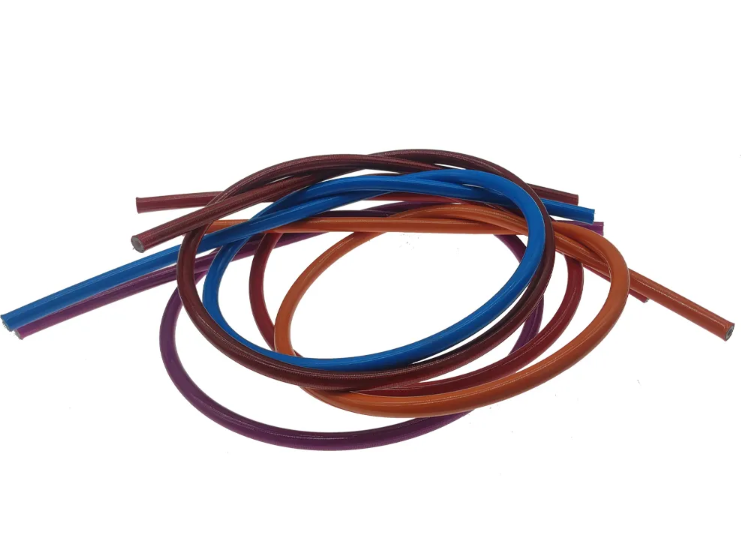
Why Chemical Resistance Is the Defining Feature of PTFE Braided Hose
The Molecular Basis of PTFE’s Exceptional Chemical Inertness
What makes PTFE so chemically resistant? Well, it all comes down to those carbon-fluorine bonds. These bonds are basically rock solid compared to what we see in other organic compounds. The material forms this tight fluorocarbon network that just won't let stuff through. Even when faced with nasty chemicals like sulfuric acid or hydrofluoric acid, plus sodium hydroxide and pretty much any organic solvent out there, PTFE stays untouched. Most plastics would react badly to these conditions, but PTFE doesn't budge. It won't swell up, break down, or let anything seep through over time. And because of its smooth surface with very low energy properties, nothing sticks to it either. This means no leaching occurs and fluids stay pure for years on end. Engineers love using PTFE components in places where corrosion is a constant problem because they know these parts will last through countless cycles without compromising their performance.
PTFE Braided Hose vs. Alternatives: EPDM, FKM, and Silicone in Corrosive Service
When dealing with corrosive environments, PTFE braided hoses offer something most rubber alternatives just cant match. Take EPDM for instance it breaks down fast when mixed with oils or strong mineral acids. Then there's FKM which tends to swell and crack upon contact with ketones or amines. Silicone might hold up well against heat, but it gets brittle around hydrocarbons and caustic alkalis. Unlike these materials, PTFE keeps its flexibility and structural strength even when faced with almost any chemical class out there. The difference matters a lot in real world operations. Facilities using PTFE experience fewer unexpected shutdowns and save money on replacements over time. This is especially important in chemical processing plants where incompatible materials can lead to dangerous leaks, unwanted emissions, or complete system failures that put workers at risk.
Engineering Durability: Stainless Steel Braid Design and Pressure Performance
304 vs. 316 Stainless Steel Braid: Corrosion Resistance Trade-offs for PTFE Braided Hose
Stainless steel braiding plays a major role in how long these systems last, and picking between grade 304 and 316 really depends on what kind of environment they'll face. Grade 304 works well enough for places where corrosion isn't too bad, like those steam lines used in food processing plants. Then there's grade 316, which gets its extra strength from about 2 to 3 percent molybdenum added during manufacturing. This makes it stand up much better against chlorides and those harsh acidic cleaners commonly found in pharmaceutical cleaning-in-place systems that use stuff like peracetic acid. Real world testing tells us that when exposed to environments rich in chlorides, 316 braided components tend to keep working properly for around five to eight years. Compare that to standard 304 parts which often start showing problems after just about 18 months in similar conditions.
How Braid Geometry Influences Burst Pressure, Flex Life, and Impulse Endurance
The way the braid is constructed really determines how well a PTFE braided hose will perform under stress. When we tighten things up with a 16-strand weave, it definitely boosts the burst pressure past 3,000 PSI mark, but comes at a cost - flexibility drops around 30% compared to the standard 8-strand setup. For those applications involving constant hydraulic impulses, engineers often look for that sweet spot with a roughly 45 degree braid angle. This configuration typically holds up through hundreds of thousands of pressure cycles before showing signs of wear. Getting the braid coverage right matters too. If it's under 95%, the PTFE tends to wear down when moving parts rub against each other. But go too far on coverage and the hose becomes more prone to kinking. Manufacturers who optimize these parameters not only meet ASME B31.3 standards for pressure handling, they also create hoses that last about a decade in robotic automation settings while standing up to vibrations that plague pump transfer systems day in and day out.
Certified Applications: Where PTFE Braided Hose Meets Regulatory Demands
Pharmaceutical CIP Systems: USP Class VI, FDA 21 CFR 177.1550, and Extractables Control
The PTFE braided hose meets all the necessary biocompatibility and purity requirements needed for pharmaceutical CIP systems. It has USP Class VI certification which means it can safely touch sterile drug products directly. Plus, it complies with FDA regulations under 21 CFR 177.1550 for applications where it comes into contact with products during manufacturing. What makes this hose so reliable? The inner layer is made of non-porous PTFE material that keeps extractables to a minimum. These are substances that might otherwise seep into the processing stream and affect test results or pose risks to patients. When combined with a stainless steel braid that resists corrosion, these hoses handle repeated cleaning with hydrogen peroxide and temperatures above 250 degrees Fahrenheit without breaking down over time. This durability makes them ideal for facilities needing consistent performance across multiple cleaning cycles.
Food & Beverage Processing: NSF/ANSI 51, Chlorine Resistance, and Sanitization Cycle Integrity
PTFE braided hoses used in food and beverage processing meet NSF/ANSI 51 standards for direct contact with products and can handle chlorine-based sanitizers at concentrations up to 200 ppm without any swelling or surface damage. The smooth inner surface of PTFE helps prevent biofilm buildup when transferring liquids like milk, juice, or syrup throughout production lines. These hoses are reinforced with stainless steel braiding that maintains structural integrity even during intense steam-in-place cleaning cycles at temperatures reaching 300 degrees Fahrenheit. They satisfy all major regulatory requirements including FDA guidelines, EHEDG standards, and 3-A Sanitary Standards. Food processors rely on this equipment for maintaining clean operations, avoiding cross-contamination issues, and ensuring dependable performance across bottling plants, pasteurization units, and various liquid filling applications where hygiene is critical.
Selecting the Right PTFE Braided Hose: Key Specification Criteria
Selecting the right PTFE braided hose means looking at several factors that work together: how it handles chemicals, what kind of pressure it can take, its ability to withstand heat, mechanical requirements, and whether it meets regulations. Start by checking if the PTFE core is compatible with whatever chemicals will be passing through. Regular PTFE stands up against most industrial chemicals, resisting over 95% of them according to testing labs. Some special versions include additives for things like static control needed in cleanrooms or ultra pure applications required in pharmaceutical manufacturing. Next, think about the metal used in the braiding (usually either 304 or 316 stainless steel) and how tightly woven it needs to be based on pressure requirements. Tighter weave patterns generally handle pressures around 6,000 PSI in hydraulic systems, though specifics depend on the manufacturer's specs. Temperature matters too. These hoses typically work from -65 degrees Fahrenheit all the way up to 500 degrees, but repeated heating and cooling cycles can shorten their lifespan significantly if the braid isn't designed properly. Lastly, don't forget about certifications. Food processors need NSF/ANSI 51 approval, while pharmaceutical companies require USP Class VI compliance. Studies show that roughly 40% of cleaning problems in regulated environments come down to using hoses that aren't certified correctly.
| Selection Factor | Key Considerations | Impact on Performance |
|---|---|---|
| Chemical Resistance | Substance concentration, exposure duration | Prevents degradation, maintains purity |
| Pressure Rating | Braid material (304 vs 316 SS), pattern density | Determines safety margin for surges |
| Thermal Stability | Operating range, thermal cycling frequency | Affects flexibility and crack resistance |
| Regulatory Status | Industry-specific certifications | Ensures audit compliance, avoids contamination |