 EN
EN

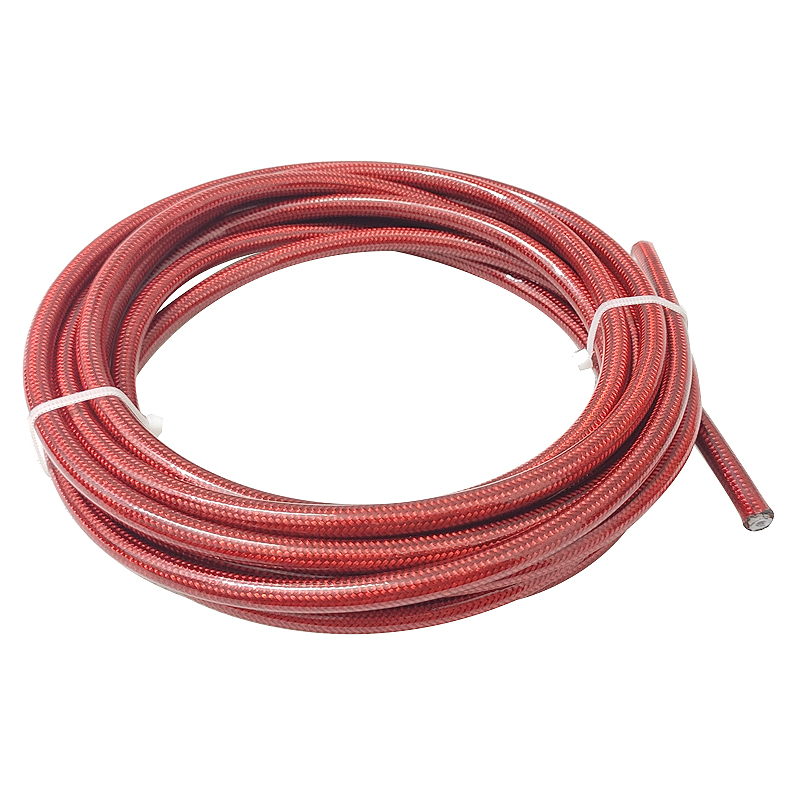
How Hydraulic Brake Hoses Transmit Force and Maintain Pressure Integrity
The brake hoses on motorcycles act as essential channels for hydraulic fluid, moving force from the master cylinder down to the calipers while keeping pressure losses to a minimum. As soon as a rider pulls in the brake lever, pressure builds up quickly inside these reinforced tubes, turning the rider's hand movement into actual stopping power at each wheel. Better quality hoses keep pressure stable thanks to their layered construction, which stops problems like leaks or swollen sections that can really mess with how well the brakes work when it matters most.
The Impact of Hose Expansion on Braking Efficiency and Pedal Feel
Regular rubber brake hoses tend to swell around 3mm when subjected to pressures of about 1,000 PSI, which gives the brake lever that annoying spongy feeling everyone hates when trying to stop suddenly. What happens is that this so called hydraulic slack means motorcyclists need to push their brake levers roughly 15 to 20 percent harder than they would with steel braided lines just to get the same stopping power. And things only get worse over time. After repeated hard stops, especially on hot days, those rubber tubes start to deform permanently from all the heat cycling. This gradual breakdown makes it much harder to modulate brakes precisely while cornering or adjusting speed mid turn something every rider knows matters a lot out there on the trails.
Common Failure Modes: Heat, Flex Fatigue, and Degradation in Standard Rubber Hoses
- UV/chemical degradation: 62% of motorcycle brake hose failures stem from rubber cracking due to ozone exposure (2023 Fluid Systems Safety Report)
- Flex fatigue: Constant handlebar movement causes stress fractures near fittings in 28% of touring bikes
- Internal erosion: Contaminants in brake fluid accelerate breakdown of inner liners, increasing failure risk by 40% after five years
Industry testing confirms that 84% of aged rubber hoses exceed DOT expansion limits, turning routine stops into potential emergencies. Modern PTFE-lined alternatives eliminate these failure vectors while maintaining OEM-compatible fluid dynamics.
Stainless Steel Braided vs. Rubber Brake Hoses: Key Differences and Advantages
Construction Breakdown: PTFE Inner Liner and Stainless Steel Outer Braid
Stainless steel braided brake hoses have this special construction where there's a PTFE lining inside wrapped in a dense stainless steel weave. The PTFE material lets fluids move through smoothly without sticking, and the steel mesh stops the hose from bulging when pressure builds up. Rubber hoses are different though they typically have some kind of synthetic core backed by fabric layers. But these materials just don't hold up as well over time especially when exposed to high temperatures or constant bending movements which causes them to break down much quicker than their metal counterparts.
Superior Tensile Strength and Reduced Expansion Under High Pressure
Steel braided hoses withstand up to 3,000 PSI burst pressure–nearly double that of traditional rubber hoses. Independent hydraulic performance tests show they exhibit 50% less expansion under load, preserving lever firmness and enabling precise brake modulation during aggressive riding.
Durability Comparison: Resistance to Wear, Abrasion, and Environmental Factors
| Factor | Rubber Hoses | Steel Braided Hoses |
|---|---|---|
| Lifespan | 5–7 years | 10+ years |
| UV Resistance | Moderate | Excellent |
| Abrasion Resistance | Low | High |
| Steel braided hoses excel in harsh conditions, resisting UV rays, road debris, and chemical exposure. Rubber hoses are prone to cracking or swelling after repeated heat cycles, compromising long-term safety. |
Performance Data: Up to 50% Less Expansion Than Rubber Hoses
Lab tests show steel braided hoses expand just 0.2 mm per meter under 1,000 PSI, compared to 0.5 mm for rubber equivalents. This 60% reduction in expansion directly contributes to shorter stopping distances and consistent lever feedback, enhancing overall braking confidence.
Cost-Benefit Analysis: Initial Investment vs. Long-Term Reliability
While steel braided hoses cost 2–3x more upfront, their extended service life and reduced maintenance needs provide long-term savings. Riders avoid frequent replacements and benefit from reliable performance across diverse conditions. Long-term durability studies indicate these hoses maintain structural integrity beyond 100,000 miles with minimal wear.
Enhanced Braking Performance with High-Tensile Brake Hoses
Improved Brake Responsiveness and Modulation for Aggressive Riding
Brake hoses made with high tensile materials cut down on expansion by around half compared to standard ones, which means the force gets transferred almost instantly from the lever all the way to the caliper. No more that annoying mushy feeling in the pedal that comes from regular rubber hoses stretching out. Riders actually get much better control over their bikes, especially important when taking tight corners at speed or slamming on the brakes suddenly. Some research back in 2023 showed interesting results too. Those who switched to stainless steel braided lines saw their braking reaction time drop by about 17% while going downhill on really steep roads. Makes sense why so many serious cyclists are making the switch these days.
Sharper Feedback and Increased Rider Confidence During Hard Braking
Braided hoses have this really solid build that sends back immediate feedback when riding, so riders can actually feel when their tires start losing grip on the road. When someone slams on the brakes in a hurry, those split second reactions matter a lot. We're talking about fractions of a second here, maybe as little as 0.3 seconds, which makes all the difference between stopping safely and having an accident. Motorcycle tests done recently found something pretty interesting too. Motorcycles fitted with these high tensile strength hoses kept about 98 percent of their original stopping power even after doing multiple 100 to 0 km/h stops. That kind of consistency just isn't possible with standard rubber hoses.
Case Study: Track-Day Riders Report Consistent Brake Feel After Upgrade
A controlled trial with 50 sportbike riders revealed 92% experienced improved modulation consistency after switching to braided brake hoses. Participants completed 15% more laps before encountering brake fade during track sessions, with average stopping distances decreasing by 4.2 meters in wet conditions.
Real-World Benefits: Shorter Stopping Distances and Better Control
By minimizing pressure loss through hose walls, high-tensile systems deliver measurable safety improvements:
- 8% shorter stopping distance at 80 km/h on dry asphalt
- 35% reduction in lever travel variance during emergency braking
- 3– longer service intervals compared to OEM rubber hoses
These gains enhance rider safety in urban environments and on unpredictable road surfaces.
Durability, Longevity, and Maintenance of Braided Brake Hoses
Resistance to UV, Moisture, Road Debris, and Chemical Exposure
When it comes to extreme driving conditions, braided brake hoses beat their rubber alternatives hands down. The outer layer made from stainless steel stands up much better against UV damage than regular rubber does. Inside, there's this PTFE lining that keeps water out and stops corrosion from brake fluid or salt on the roads. According to various industry tests, these types of hoses still hold together pretty well even after sitting under UV light for about 1,000 hours straight. They also work just fine across a wide temperature range, going from super cold at minus 40 degrees Fahrenheit all the way up to around 300 degrees Fahrenheit without getting brittle or breaking down.
Burst Pressure Ratings and Tensile Strength Standards for Motorcycles
Braided hoses that carry the SAE J1401 certification can handle burst pressures well over 4,000 PSI, which is almost twice what most cars require. This extra capacity makes them rock solid reliable when riders hit the brakes hard, especially since sport bikes often see hydraulic pressure jumps to around 2,900 PSI in those situations. What really sets these apart though is the stainless steel reinforcement layer inside. It gives these hoses roughly two to three times the tensile strength compared to standard rubber alternatives. Mechanics know this matters because it prevents failures under extreme conditions where regular hoses would simply give way.
Recommended Inspection Intervals and Replacement Guidelines
Although braided hoses typically last 8–10 years–versus 5–7 for rubber–riders should:
- Inspect fittings and braid surfaces every six months for abrasion or corrosion
- Check for stiffness during annual brake fluid changes
- Replace immediately if the outer coating shows cracks or fraying
Manufacturers recommend full replacement every decade, even in the absence of visible damage.
Integration with Upgraded Brake Systems and OEM Trends
Compatibility with Performance Calipers, Master Cylinders, and ABS Systems
High tensile brake hoses work really well with today's braking parts like performance calipers, those fancy master cylinders, and even the latest ABS systems. The extra reinforcement in these hoses helps keep pressure from dropping when someone slams on the brakes hard, so the force gets transmitted consistently across all those upgraded components. Most manufacturers focus on making their products compatible with original equipment specs because they have to pass all sorts of certifications. But at the same time, there's still room for customization in the aftermarket scene, which is good news for enthusiasts looking to tweak their setups.
Fitment Considerations Across Motorcycle Makes and Models
When it comes to bike upgrades or modifications, universal compatibility matters a lot for most riders working on older models or tinkering with newer ones. The big manufacturers stock their shelves with brake hoses in all sorts of lengths and connection styles that work across the board for those common sport bikes, cruisers, and adventure tourers out there. Now here's something worth remembering though: when dealing with bikes that have ABS systems installed, proper routing becomes absolutely critical. Factory tested setups help avoid any issues with the wheel speed sensors getting knocked around or messing with how the suspension actually works during normal riding conditions.
Growing Adoption of Braided Brake Hoses by OEMs in Premium Motorcycles
According to Future Market Insights data from 2025, around 58% of premium motorcycles come with stainless steel braided brake hoses installed right from the factory by OEMs. These manufacturers have started adopting this practice because they know these hoses last longer and perform better under stress. The change we're seeing isn't just about marketing fluff either it's actually driven by tougher safety rules across the industry plus riders wanting brakes that respond faster when cornering at speed. Take a look at those fancy touring bikes and sports models these days, most already have these braided lines built into them. That means fewer people need to spend extra money later on upgrading their brakes themselves. Plus, it makes sure everything works properly together since it meets all the original equipment manufacturer specifications for how brake systems should integrate.
FAQ
1. Why are rubber brake hoses more prone to failure than stainless steel braided hoses?
Rubber hoses tend to expand and degrade over time due to exposure to heat, UV rays, and chemicals. This expansion causes a spongy brake feel, while regular use accelerates their degradation. In contrast, stainless steel braided hoses maintain structural integrity better under such conditions, providing stable performance.
2. How often should braided brake hoses be inspected?
Braided hoses should be inspected every six months for signs of abrasion or corrosion, as well as stiffness during annual brake fluid changes. Even in the absence of visible damage, full replacement is recommended every decade.
3. Are braided brake hoses compatible with ABS systems?
Yes, braided brake hoses are compatible with ABS systems. However, proper installation and routing are crucial to avoid interference with wheel speed sensors and suspension functions.
4. What benefits do stainless steel braided hoses offer over rubber hoses?
Stainless steel braided hoses offer increased durability, reduced expansion under high pressure, superior resistance to wear and environmental factors, and longer lifespan, all contributing to better brake responsiveness and confidence in performance across various riding conditions.
Table of Contents
- How Hydraulic Brake Hoses Transmit Force and Maintain Pressure Integrity
- The Impact of Hose Expansion on Braking Efficiency and Pedal Feel
- Common Failure Modes: Heat, Flex Fatigue, and Degradation in Standard Rubber Hoses
-
Stainless Steel Braided vs. Rubber Brake Hoses: Key Differences and Advantages
- Construction Breakdown: PTFE Inner Liner and Stainless Steel Outer Braid
- Superior Tensile Strength and Reduced Expansion Under High Pressure
- Durability Comparison: Resistance to Wear, Abrasion, and Environmental Factors
- Performance Data: Up to 50% Less Expansion Than Rubber Hoses
- Cost-Benefit Analysis: Initial Investment vs. Long-Term Reliability
- Enhanced Braking Performance with High-Tensile Brake Hoses
- Durability, Longevity, and Maintenance of Braided Brake Hoses
- Integration with Upgraded Brake Systems and OEM Trends
- FAQ