 EN
EN

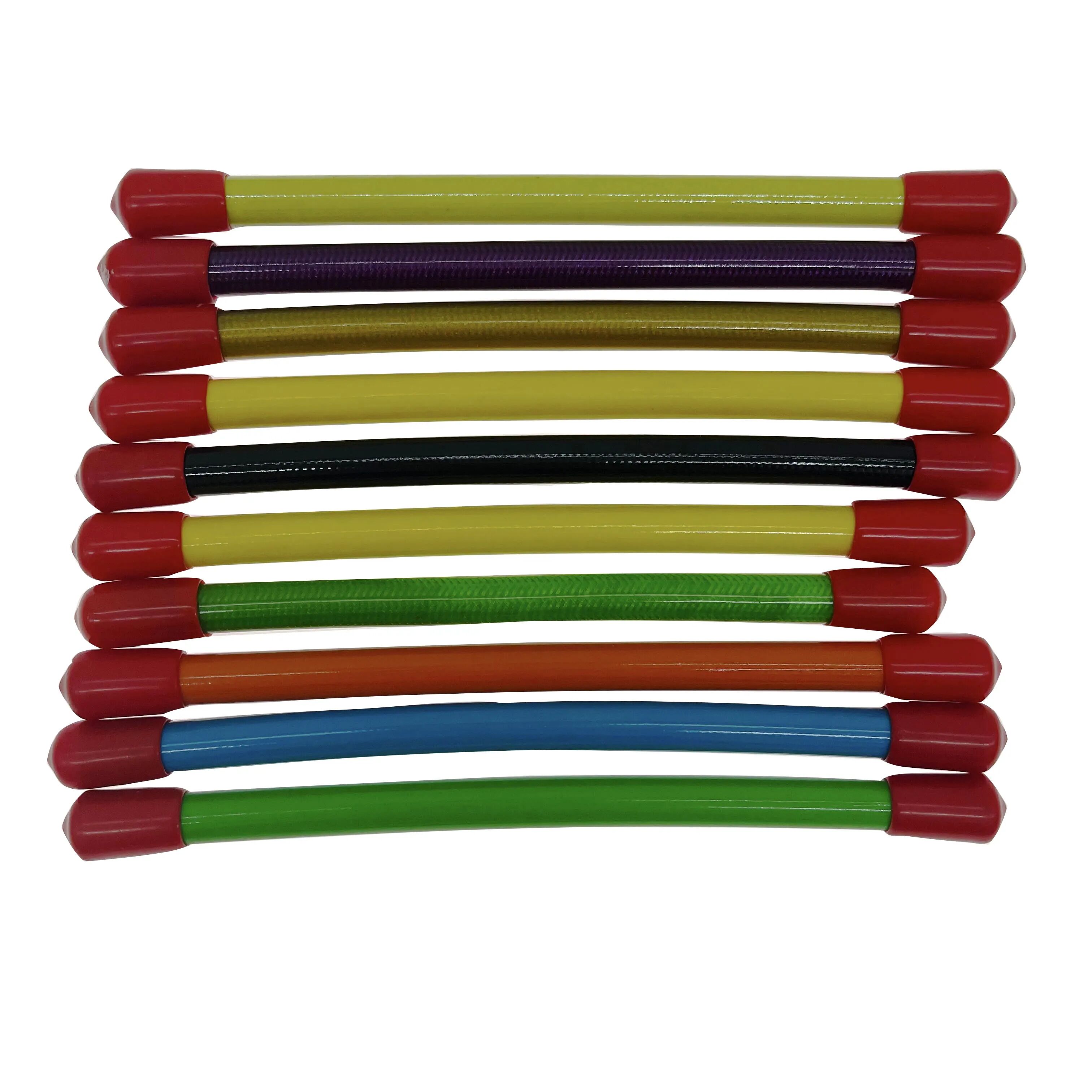
Thermal Performance Under Extreme Braking Conditions
High-performance braking generates intense heat, with brake hose temperatures exceeding 350°C during repeated hard stops (Yin et al. 2023). This thermal stress degrades rubber hoses through two primary mechanisms:
- Internal swelling: Rubber absorbs brake fluid at high temperatures, reducing hydraulic pressure transmission
- External cracking: Surface hardening from heat cycling leads to 73% faster fatigue failure compared to PTFE hoses
How the High-Temperature Resistance of PTFE Hoses Prevents System Failure
Polytetrafluoroethylene (PTFE) maintains structural integrity up to 260°C without fluid absorption or deformation. Independent testing shows PTFE brake lines outperform rubber in critical areas:
| Characteristic | PTFE Hoses | Rubber Hoses |
|---|---|---|
| Max operating temp | 260°C | 120°C |
| Pressure loss at 200°C | 2% | 18% |
| Lifetime cycles @ 150°C | 500k+ | 85k |
This stability prevents the 37% pressure drop observed in rubber hoses during track simulations, as detailed in thermomechanical analysis of braking systems.
Real-World Testing: Teflon Brake Hoses in Performance and Track Environments
Professional racing teams report zero heat-related brake failures after switching to PTFE hoses, even in 24-hour endurance events. The material's crystalline structure resists both radiant heat from rotors and conductive heat transfer from calipers, maintaining consistent pedal feel across temperature extremes.
Mechanical Strength and Driver Performance Benefits
The Reinforcing Role of Stainless Steel Braided PTFE Hoses
When stainless steel gets braided around PTFE brake hoses, it turns them from simple tubes into real structural parts that can handle about four times the pressure of regular rubber hoses before bursting. The steel mesh has two layers made from grade 304 material, which holds up under more than 5,000 pounds per square inch according to some tests from ASCE back in 2023. What's nice is this setup still keeps the hose flexible enough for installation. For high-performance cars, this matters a lot because when brakes are applied hard, these reinforced hoses won't balloon out like standard ones do. That ballooning causes problems with how brake fluid moves through the system, affecting how responsive the brake pedal feels to drivers.
Burst Pressure Comparison: PTFE vs. Traditional Rubber Brake Hoses
Destructive testing highlights dramatic differences in mechanical resilience:
| Material | Burst Pressure Threshold | Failure Mode |
|---|---|---|
| PTFE w/steel braid | 5,200 PSI | Fitting separation |
| EPDM rubber | 1,800 PSI | Hose wall rupture |
These results explain why 78% of motorsport teams now use steel-braided PTFE lines (SEMA 2022), valuing their predictable failure mode. The 3:1 pressure advantage allows engineers to reduce hose diameter by 25% without compromising safety—delivering meaningful weight savings in competitive applications.
Enhanced Brake Feel and Response with Low-Expansion PTFE Lines
The radial expansion of PTFE is practically nothing compared to rubber materials. At 2,900 PSI pressure points, PTFE only expands about 0.3%, whereas rubber swells around 4.1%. This makes all the difference when braking hard at speed limits because it gets rid of that annoying "mushy pedal" feeling drivers hate so much. According to lab tests referenced in SAE Technical Paper 2023-01-0876, brake response times improve by roughly 18 milliseconds with PTFE systems. That might not sound like much, but for cars with ABS technology, those milliseconds count toward consistent stops every time. Fleet operators who switched their vehicles to PTFE hoses reported way fewer problems with strange brake behavior. Drivers noticed something was off about 92% less often after making the upgrade, which speaks volumes about how much better these systems actually perform in real-world conditions.
Long-Term Durability in Harsh Automotive Environments
Evaluating PTFE Hose Durability and Longevity in Real-World Applications
PTFE brake hoses just last way longer than regular rubber ones when put through constant stress. According to recent testing, these hoses can hold up to 94% of their initial burst pressure even after going through around 100,000 thermal cycles that mimic really harsh braking conditions, as noted in the Automotive Materials Durability Report from last year. Looking at real-world data from commercial vehicle fleets tells another story too. The PTFE brake lines tend to stick around for about 8 to 12 years before needing replacement, while standard EPDM rubber versions only make it 3 to 5 years on average. What's interesting is that most of the wear happens not on the PTFE material itself but actually at those metal fittings where the hose connects to other parts of the system.
Resistance to Ozone, UV Radiation, and Chemical Degradation
Three environmental factors accelerate brake hose deterioration:
- Ozone resistance: PTFE shows <0.5% elongation change after 1,000 hours in 100 ppm ozone, versus 12–15% in reinforced rubber
- UV stability: Unlike rubber, which requires protective sleeves, PTFE retains 98% tensile strength after five years of direct sunlight (SAE International J3184-2022)
- Chemical resistance: PTFE withstands prolonged exposure to DOT 3/4/5.1 brake fluids, road salts, and oil-based contaminants without swelling or hydrolysis
Service Life Data: PTFE vs. EPDM Rubber Hoses in Fleet Testing
| Metric | PTFE Brake Hose | EPDM Rubber Hose | Testing Standard |
|---|---|---|---|
| Mean Time Between Failures | 9.7 years | 4.1 years | ISO 11425:2015 |
| Crack Initiation (150°C) | 2,800 hours | 900 hours | ASTM D573-04(2019) |
| Fluid Permeation Rate | 0.02 ml/m/day | 0.15 ml/m/day | FMVSS 106 §5.3.6 |
A 2024 analysis of commercial vehicle maintenance records found PTFE hose replacements accounted for only 6% of hydraulic system repairs, compared to 31% for rubber variants. This durability directly reduces downtime and lowers total cost of ownership.
Growing Role of Teflon Brake Hoses in Hybrid and Electric Vehicles
Thermal and Chemical Challenges in EV Brake Systems
The brakes on hybrid and electric vehicles face some serious heat issues. Temperatures inside the engine compartment can hit over 300 degrees Fahrenheit when someone's doing fast charging or pushing the car hard on the road. What makes things different from regular cars is how EVs switch back and forth between regenerative braking and traditional friction brakes. This constant switching means the brake system deals with all sorts of hydraulic fluid changes plus possible exposure to battery coolant fumes. That's where Teflon brake hoses come into play. Made from PTFE material that doesn't react chemically with anything, these hoses won't swell up or fall apart like rubber ones do under such harsh conditions. Mechanics know this is crucial for keeping EVs running safely through their unique braking demands.
Regenerative Braking and Its Impact on Brake Hose Temperature Cycles
According to the latest Automotive Thermal Management Report from 2024, electric vehicle brake systems actually see temperature spikes that are around 40% more intense when using regenerative braking. Teflon hoses can handle pretty extreme conditions too, transmitting pressure reliably even at temperatures reaching 500 degrees Fahrenheit or 260 Celsius. This kind of heat resistance is really important because these systems need to switch back and forth between capturing energy and making emergency stops. The ability to withstand such heat helps prevent fluid from turning into vapor, which turns out to be responsible for about one-quarter of all brake failures seen in industry tests on durability.
Balancing Lightweight Design with High-Temp Demands in EVs
Car manufacturers are always looking for parts that cut down on weight without compromising safety, which makes Teflon brake hoses pretty attractive these days. The latest versions of PTFE material can handle bursts at around 58,000 PSI but still manage to weigh in about 30 percent lighter than traditional EPDM alternatives. That kind of reduction really helps electric vehicles go further between charges. Plus there's another benefit worth mentioning too: these hoses resist ozone better, something that matters a lot for EVs because they deal with different issues compared to regular cars. Think about all those high voltage cables and what happens when things get too hot inside the battery pack. Better materials help prevent some of those problems before they even start.
FAQ Section
What makes PTFE hoses better for high-performance applications?
PTFE hoses offer better temperature resistance, mechanical strength, and do not absorb fluids, thus ensuring consistent hydraulic pressure transmission.
Why are stainless steel braided PTFE hoses preferred in motorsport?
The stainless steel braid reinforces the PTFE hose, handling higher pressures and preventing ballooning, which enhances brake feel and response.
Are PTFE hoses suitable for electric and hybrid vehicles?
Yes, PTFE hoses are ideal for EV and hybrid vehicles as they withstand temperature extremes and prevent chemically reactive issues common with rubber hoses.