 EN
EN

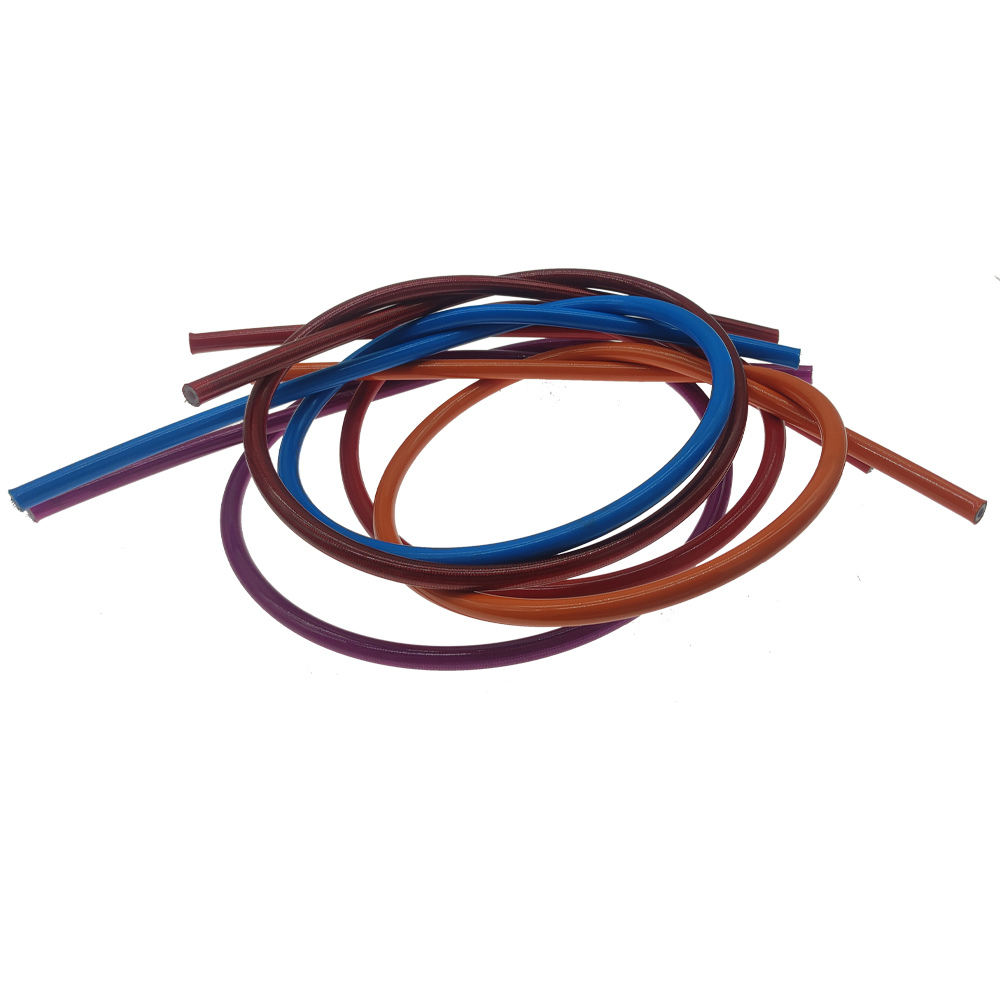
The impact of brake lines on stopping distance
The brake lines act like blood vessels in a car's hydraulic braking system. Pressing down on the brake pedal sends pressurized fluid through these lines to engage the calipers. This creates friction that turns motion energy into heat. Small problems here can really affect how quickly a car stops during emergencies according to recent safety reports. Take worn out rubber brake lines for instance they tend to bend when someone slams on the brakes hard. This bending delays when maximum pressure builds up inside the system. At around 60 miles per hour, cars with old rubber lines stop about three or four feet further than those equipped with stronger braided steel options instead.
Braking efficiency and pressure transmission dynamics
Getting good brakes means the brake lines need to push fluid without losing much pressure along the way. Standard rubber hoses tend to swell when they hit around 1,200 PSI or more, which according to some research from SAE International, can actually waste about 15% of what gets pushed through them. When this happens, people notice their brake pedal feels soft and mushy, so they end up having to press down further than normal just to get the same stopping power. Stainless steel braided lines are different though. They barely expand at all, staying within half a millimeter even under heavy pressure. This keeps most of the force where it needs to be. Real world testing has shown cars with these upgraded lines engage their brakes about 18% quicker than older rubber setups, making a noticeable difference in how responsive the whole system feels during actual driving conditions.
How brake line expansion under pressure affects performance
| Material | Expansion at 1,500 PSI | Pressure Loss | Pedal Travel Increase |
|---|---|---|---|
| OEM Rubber | 2.8mm | 12-18% | 20-25% |
| Steel Braided | 0.4mm | 1-3% | 3-5% |
The table above illustrates how material choice directly impacts system responsiveness. Every millimeter of line expansion wastes energy that should engage braking components. This hysteresis effect compounds during repeated hard stops, contributing to premature brake fade in performance driving conditions.
The link between pedal feel and brake responsiveness
The feel of a firm brake pedal goes way beyond personal taste for many drivers. It actually connects them directly to how their car stops. When rubber brake lines expand, there's a lag time between pressing the pedal and the brakes actually working, which drivers typically call "mushy" or just plain unclear. Switching to stiff braided lines cuts down on this delay, giving much better control when braking at the limit. This matters a lot when driving on roads where grip changes constantly or if someone suddenly needs to stop hard in an emergency situation.
Rubber vs. Steel Braided Brake Lines: Structural and Functional Differences
Steel Braided Brake Hoses vs Rubber Brake Lines: Structural Differences
Brake lines made from rubber typically consist of several layers including synthetic rubber backed by nylon mesh reinforcement. Steel braided alternatives have a different setup altogether – they usually contain a Teflon core surrounded by tightly woven steel mesh and covered with an outer protective layer. The way these steel lines are built means they expand only about 30 to 40 percent as much as rubber ones when pressure builds up inside them. Most mechanics will tell anyone who asks that this difference matters a lot in real world conditions where consistent braking performance is absolutely critical.
| Feature | Rubber Brake Lines | Steel Braided Lines |
|---|---|---|
| Core Material | Ethylene-propylene rubber | Teflon |
| Reinforcement | Nylon mesh | Stainless steel braid |
| Pressure Resistance | 1,500—2,000 PSI | 3,000+ PSI |
| Temperature Tolerance | -40°F to 250°F | -65°F to 450°F |
OEM Rubber Brake Lines Limitations Under High Pressure
Factory rubber lines exhibit 15—20% expansion during panic stops, causing delayed caliper engagement. This "hydraulic sponge" effect worsens with age as rubber stiffens and develops microcracks, reducing braking consistency in performance driving scenarios.
Advantages of Stainless Steel Braided Lines Over Rubber
Steel braided brake lines cut down around 92% of the pressure loss caused by expansion according to SAE J1401 standards, which means drivers get that instant feel between pressing the pedal and stopping power at the calipers. What makes these lines stand out is their stainless steel covering that holds up against road grit and stones much better than regular rubber hoses can manage. Plus, inside there's this special Teflon material that doesn't let dirt or moisture seep into the brake fluid. Keeping contaminants out really matters for how well brakes work after tens of thousands of miles on the road without needing replacement.
Improved Pedal Feel and Driver Control with Steel Braided Brake Lines
Firmness and consistency of brake pedal feel explained
Brake lines made with steel braiding cut down on hydraulic expansion about 30% when compared to regular rubber ones according to some research published recently by SAE. Drivers notice this right away because their brake pedals feel much firmer after installation. Rubber hoses tend to swell when pressure builds up during hard stops, but those steel woven lines keep their shape pretty well throughout. That means the brake fluid moves through them almost instantly from where the driver presses down all the way to the calipers at each wheel. Most people complain about the soft, squishy feeling they get with factory installed systems. These upgraded lines fix that problem completely, so anyone behind the wheel can actually tell exactly how much pressure they're applying to stop the car safely.
Improved brake response and feel during aggressive driving
When drivers hit those tight corners or slam on the brakes suddenly, steel braided brake lines really shine because they stop pressure from bouncing around too much, which can hold back the pads from grabbing right away. Track day enthusiasts have noticed something pretty impressive actually - their brakes react about a fifth of a second quicker than standard setups. That might not sound like much until you're flying into a hairpin bend at racing speeds. What makes these lines so good is how they don't compress under pressure. This means all four wheels get the same amount of stopping power at once, making it easier for the car to balance itself properly when the driver hits the limits of what the tires can handle.
Driver feedback on pedal feel with upgraded brake lines
A 2023 survey of 1,200 drivers who upgraded to steel braided brake lines found:
- 84% reported "significantly firmer" pedal feel
- 67% noted improved modulation during downhill driving
- 92% of performance drivers claimed better lap-time consistency
Is the improved feel psychological or mechanical?
While driver confidence plays a role, dyno testing confirms the mechanical advantage. Hydraulic pressure gauges show steel braided lines maintain 98% of input pressure versus 89% in rubber lines at 1,500 PSI (Brake & Front End Magazine 2023). This 9% pressure retention difference directly translates to measurable improvements in stopping power and pedal linearity.
Durability, Safety, and Resistance to Brake Fade
Long-term durability of steel braided brake lines in real-world use
Steel braided brake lines really stand up to all sorts of punishment on the road. They handle debris, extreme temperatures ranging from minus 40 degrees Fahrenheit right up to plus 300 degrees, and resist moisture penetration about 58 percent better than regular rubber lines according to industry tests. Rubber hoses tend to break down when exposed to sunlight and engine heat over time, but those stainless steel braids keep things intact for around five to seven years even with regular daily driving. Race car drivers know this well because their vehicles need reliable braking under intense conditions. These lines can take over 2000 pounds per square inch of pressure during multiple track sessions without showing signs of wear or breaking down completely.
Resistance to brake fade due to reduced line expansion
Rubber brake lines can actually expand by as much as 10 percent when there's really heavy braking pressure according to NHTSA data from 2023. This expansion leads to that annoying spongy feeling in the brake pedal and makes the calipers engage inconsistently. The steel braided alternatives are much better at controlling this issue since they only expand less than 1%. What does this mean practically? The pressure gets transferred directly from the master cylinder right to the brakes, even after multiple hard stops. And here's why it matters so much: these steel lines help prevent the brake fluid from turning into vapor due to heat buildup. Brake fade happens mostly because of this vaporization problem. With consistent fluid movement throughout about 15 to 20 panic stops in a row, drivers get much more reliable stopping power when they need it most.
Stainless steel braided hose construction standards and safety
All DOT-compliant steel braided lines feature:
- Dual-layer PTFE inner liners resistant to fluid corrosion
- Aircraft-grade 304 stainless steel weave (minimum 65% coverage)
- Threaded AN fittings with 3,500 PSI burst pressure ratings
This construction prevents sudden failures while meeting SAE J1401 and FMVSS 106 durability benchmarks for passenger vehicles. Properly installed units eliminate the 23% of brake failures linked to degraded rubber hoses in NHTSA crash reports.
FAQ
What are the main differences between rubber and steel braided brake lines?
Rubber brake lines typically consist of multiple layers including synthetic rubber with nylon mesh reinforcement, whereas steel braided lines consist of a Teflon core surrounded by tightly woven steel mesh. This makes steel braided lines less prone to expansion under pressure, improving braking performance and durability.
How do steel braided brake lines improve braking performance?
Steel braided brake lines exhibit significantly less expansion under pressure, maintaining most of the hydraulic force, which results in firmer pedal feel and quicker brake response. This reduces pressure loss and helps avoid brake fade during intense braking scenarios.
Are steel braided brake lines more durable than rubber ones?
Yes, steel braided brake lines tend to be more durable due to their construction which resists heat, pressure, and environmental factors better than rubber lines. They maintain functionality under higher pressure and temperature ranges compared to rubber counterparts.
Do steel braided brake lines impact safety?
Yes, using steel braided brake lines can enhance vehicle safety by providing more consistent and reliable braking performance, which is crucial during emergency stops or high-performance driving conditions.
Table of Contents
- The impact of brake lines on stopping distance
- Braking efficiency and pressure transmission dynamics
- How brake line expansion under pressure affects performance
- The link between pedal feel and brake responsiveness
- Rubber vs. Steel Braided Brake Lines: Structural and Functional Differences
- Improved Pedal Feel and Driver Control with Steel Braided Brake Lines
- Durability, Safety, and Resistance to Brake Fade
- FAQ