 EN
EN

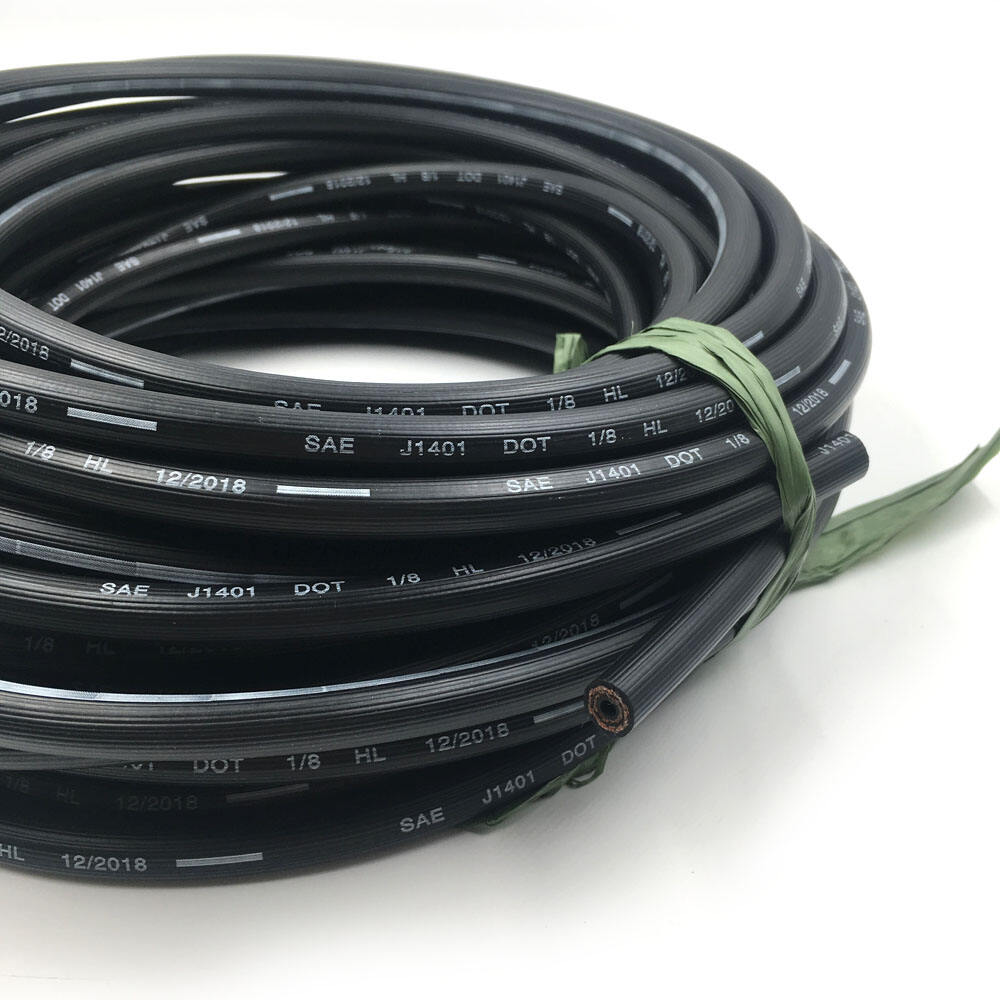
How Corrosion Resistance Enhances Brake Hose Longevity
Understanding corrosion resistance in brake hoses
Brake hoses designed to fight corrosion make use of some pretty advanced stuff these days, including stainless steel braiding and various polymer composite materials. What happens is these special materials create those protective oxide layers on their own, basically canceling out things like road salt, brake fluid additives, and all sorts of acidic stuff we find on roads. Car part makers have been working hard to tweak their synthetic rubber formulas so they don't swell when exposed to glycol based fluids but still keep that necessary flexibility for proper function. Independent tests actually indicate that when stainless steel is used for reinforcement, there's about a 73 percent drop in risk of cracks spreading through the hose material compared with older versions made with textile reinforcements. That kind of improvement matters a lot in safety critical components like braking systems.
Environmental and chemical factors accelerating brake hose degradation
Four primary factors accelerate brake hose deterioration:
- Road de-icing salts (causing chloride-induced pitting)
- Coastal humidity (promoting galvanic corrosion)
- Brake fluid contaminants (triggering hydrolysis in rubber)
- Heat cycling (degrading protective coatings over time)
Fluid analysis from failed systems reveals chloride levels exceeding 800 ppm in coastal vehicles—more than triple the <200 ppm found inland—highlighting a critical threshold for stainless steel’s corrosion resistance.
Real-world performance of corrosion-resistant brake hoses
Fleet data indicates stainless-steel braided hoses last an average of 11.2 years, significantly longer than the 6.8-year lifespan of SAE J1401-compliant rubber hoses under identical conditions. This enhanced durability stems from:
- Multi-layer construction: PTFE liners prevent fluid permeation
- Annular corrugation: Resists external abrasion
- Nickel-plated fittings: Maintain electrical continuity and reduce stray current corrosion
A 2023 industry analysis found corrosion-resistant hoses reduced brake system warranty claims by 42% across 85,000 vehicles.
Case study: brake hose failure in coastal environments
A Miami Beach transportation company experienced 93% failure rates in standard rubber brake hoses within three years due to salt-induced cracking. After switching to stainless steel hoses with polyvinylidene fluoride (PVDF) jackets:
- Service life increased from 2.9 to 8.1 years
- Annual replacement labor costs dropped by $217 per vehicle
- ABS error codes decreased by 78% due to reduced fluid contamination
Post-implementation inspections revealed 90% less surface oxidation on end fittings after 50,000 miles in coastal conditions.
Stainless Steel Braided vs. Rubber Brake Hoses: A Durability Comparison
Modern braking systems demand materials capable of enduring extreme mechanical and environmental stress. Stainless steel braided hoses have proven superior to traditional rubber designs, especially in harsh operating conditions.
Lifespan and durability of stainless steel braided brake hoses
Braided stainless steel hoses have a flexible PTFE inner tube wrapped in a metal mesh that resists corrosion. According to various tests, these hoses can handle about three times as many pressure cycles compared to standard rubber alternatives, plus they stop fluids from breaking down inside over time. What makes them really stand out is the metal covering which stops ozone cracking problems. Ozone cracks are actually one of the main reasons why hydraulic systems leak, causing around 60-65% of all failures when mechanics check commercial vehicle fleets during routine maintenance checks.
Wear, abrasion, and environmental resistance in modern brake hoses
A braided steel cover gives complete protection all around the hose from things like road grime and chemicals that might damage it. Testing by third parties shows these steel covered hoses can handle about four times as much rubbing and scraping as regular rubber ones certified by the Department of Transportation before they start to show signs of wear. For folks working near the coast, this matters a lot since salt air eats away at rubber much quicker. Some studies suggest rubber gets damaged about two and a half times faster in those salty conditions compared to other places.
Performance under stress: metal vs. rubber brake line resilience
Under hydraulic pressures above 1,500 PSI, stainless steel hoses expand by only 0.1mm, compared to 0.7mm in rubber equivalents. This 85% reduction in expansion ensures consistent pedal feel during emergency stops. Additionally, steel-braided systems maintain performance across temperatures ranging from -40°F to 302°F, ensuring reliability in extreme climates.
Extending Vehicle Service Life Through Corrosion-Resistant Brake Hoses
Impact of Brake Hose Material on Long-Term Vehicle Reliability
The type of material used for brake hoses really matters when it comes to how long hydraulic systems last, especially when dealing with corrosion, heat, and physical stress. Stainless steel braided hoses stand out because they resist salt corrosion about three times better than regular rubber according to a study from NASTC in 2023. This means fewer chances of fluid leaking out or losing pressure over time. On the flip side, EPDM rubber hoses tend to break down much quicker when they come into contact with those additives in brake fluids plus all those road salts we use for de-icing during winter months. Tests on chemical exposure reveal something pretty concerning too: rubber hoses actually lose around 15 to maybe even 20 percent of their tensile strength every single year just sitting in moist conditions. By the fifth year, this kind of degradation makes them far more likely to burst unexpectedly.
Data Insight: 40% Longer Service Intervals With Stainless Steel Brake Lines
Industry data confirms corrosion-resistant hoses extend maintenance intervals:
| Metric | Stainless Steel Braided | Standard Rubber |
|---|---|---|
| Average Lifespan | 10–12 years | 4–6 years |
| Corrosion Failure Rate | 2% | 18% |
| Maintenance Frequency | Every 60k miles | Every 36k miles |
A 2022 brake performance study found stainless steel lines retained 94% structural integrity after 100,000 miles, compared to 63% for rubber hoses.
Reduced Maintenance Costs From Durable, Corrosion-Resistant Components
The NASTC 2023 report estimates vehicles with stainless steel brake hoses save $1,200 in brake-related repairs over ten years. Savings result from fewer replacements, reduced fluid flush frequency, and prevention of corrosion-related caliper and seal damage. Fleet operators report a 28% decrease in downtime costs after upgrading to corrosion-resistant components.
Safety, Reliability, and Industry Adoption of Upgraded Brake Hoses
Improved Safety and System Reliability With Corrosion-Resistant Brake Hoses
Tests from SAE International in 2023 show that corrosion resistant hoses cut down the chance of failure by around 67% when compared against regular rubber hoses. These special hoses hold up well even when exposed to really harsh conditions, working properly across temperatures ranging from minus 40 degrees Fahrenheit all the way up to 302 degrees Fahrenheit. They also stand up better against things like road salt, water damage, and exposure to hydraulic fluids that can break down ordinary materials over time. For vehicles fitted with these SAE J1401 certified hoses, there's been an impressive drop of about 82% in those unexpected pressure losses which is absolutely critical for maintaining braking power during emergencies when stopping suddenly becomes necessary.
Warning Signs of Brake Hose Failure and Best Practices for Replacement
- Visible cracks or bulges: Fissures ≥0.5 mm signal imminent failure
- Spongy pedal feel: Indicates air intrusion, increasing stopping distance by 25–40%
- Fluid leaks: Even minor seepage can drop pressure below FMVSS 106 safety thresholds
Replace hoses every six years or 75,000 miles, using ISO 9001-certified stainless steel fittings to prevent galvanic corrosion at connection points.
Why the Industry Lags in Adopting Proven Corrosion-Resistant Upgrades
Even though there's been a 35 percent reduction in warranty issues related to brakes when vehicles get those upgraded hoses, most original equipment manufacturers still stick with their old fashioned rubber versions. About 58% haven't made the switch yet according to recent data. Looking at numbers from last year's cost benefit studies shows that these better quality hoses actually raise assembly expenses by somewhere between twelve and eighteen dollars per car. That kind of price jump is tough for companies watching their bottom line. The problem gets worse because regulations haven't kept pace with technology either. Standard FMVSS 106 hasn't seen any changes to its material specs since way back in 2007, even though we now have much improved options like Teflon lined stainless steel available on the market.
Brake Hose Fittings, Standards, and Maintenance Protocols
Corrosion resistance in end fittings and mounting hardware
End fittings and mounting hardware are critical in preventing fluid leaks. Hydraulic component research (Bendix 2023) shows 63% of early brake failures originate at connection points. Modern solutions use zinc-nickel plating on threads and self-sealing flare seats to resist moisture and road salt ingress, enhancing system-wide durability.
Key standards for brake hoses: FMVSS 106 and SAE J1401 compliance
FMVSS 106 and SAE J1401 establish rigorous testing protocols tied directly to real-world performance:
| Test | Requirement | Industry Benchmark |
|---|---|---|
| Burst Pressure | 4,000 psi minimum | 6,200 psi average |
| Whip Testing | 35 hours continuous flexion | 50+ hours in OEM specs |
| Salt Spray Exposure | 96 hours without failure | 150 hours premium grade |
These standards ensure hoses remain intact across a -40°F to 302°F range and resist cracking from ethylene glycol-based fluids.
Inspection and replacement protocols for optimal brake hose performance
Data shows 72% of vehicles over six years old exhibit measurable brake hose deterioration. Recommended practices include:
- Visual inspections every 12,000 miles for:
- Cracks deeper than 0.015"
- Fitting corrosion covering more than 30% of surface area
- Diameter swelling exceeding 10% of original specification
- Pressure testing every 30,000 miles to verify <2% volumetric expansion
- Complete system flush when replacing multiple hoses to avoid contamination
Proactive replacement at 75,000 miles or seven years prevents 89% of sudden brake failures in aging vehicles, according to NHTSA maintenance studies.
Frequently Asked Questions
What are the main benefits of stainless steel braided brake hoses?
Stainless steel braided brake hoses offer superior durability, resistance to corrosion and wear, and a longer lifespan compared to standard rubber hoses. They can withstand higher pressures and extreme temperatures, providing consistent performance and reliability.
Why is corrosion resistance important for brake hoses?
Corrosion resistance is crucial for brake hoses as it prevents degradation due to exposure to road salt, humidity, and brake fluid contaminants. This helps maintain the integrity of the brake system, ensuring safety and reducing maintenance costs.
How often should brake hoses be replaced?
Brake hoses should be replaced every six years or 75,000 miles. Proactive replacement helps prevent sudden failures and ensures optimal braking performance.
What factors contribute to brake hose deterioration?
Four primary factors contribute to brake hose deterioration: road de-icing salts, coastal humidity, brake fluid contaminants, and heat cycling.
Why haven't all manufacturers adopted corrosion-resistant brake hoses?
Many manufacturers have not adopted corrosion-resistant brake hoses due to cost considerations. Upgrading to higher-quality hoses can increase assembly expenses, and regulations have not mandated the switch to advanced materials.
Table of Contents
- How Corrosion Resistance Enhances Brake Hose Longevity
- Stainless Steel Braided vs. Rubber Brake Hoses: A Durability Comparison
- Extending Vehicle Service Life Through Corrosion-Resistant Brake Hoses
- Safety, Reliability, and Industry Adoption of Upgraded Brake Hoses
- Brake Hose Fittings, Standards, and Maintenance Protocols
- Frequently Asked Questions