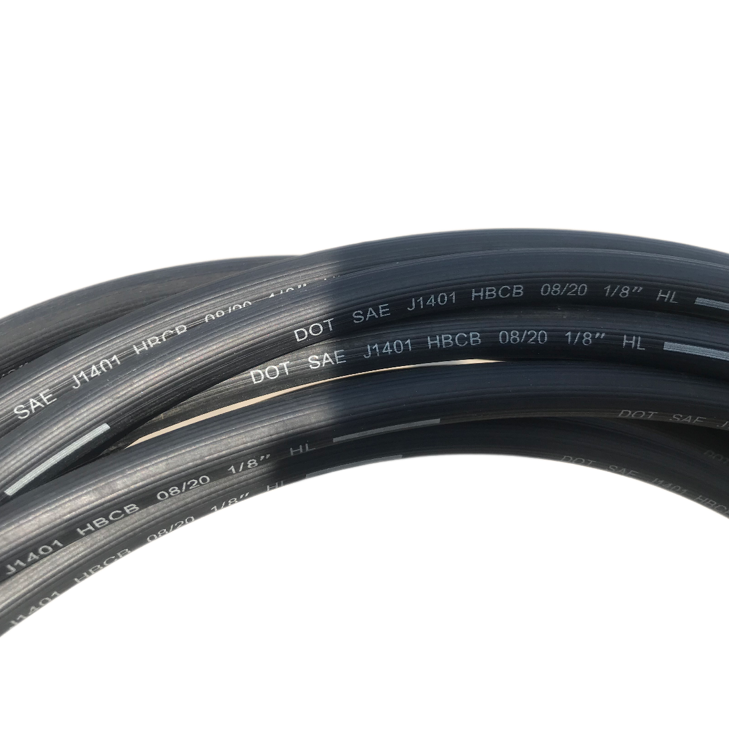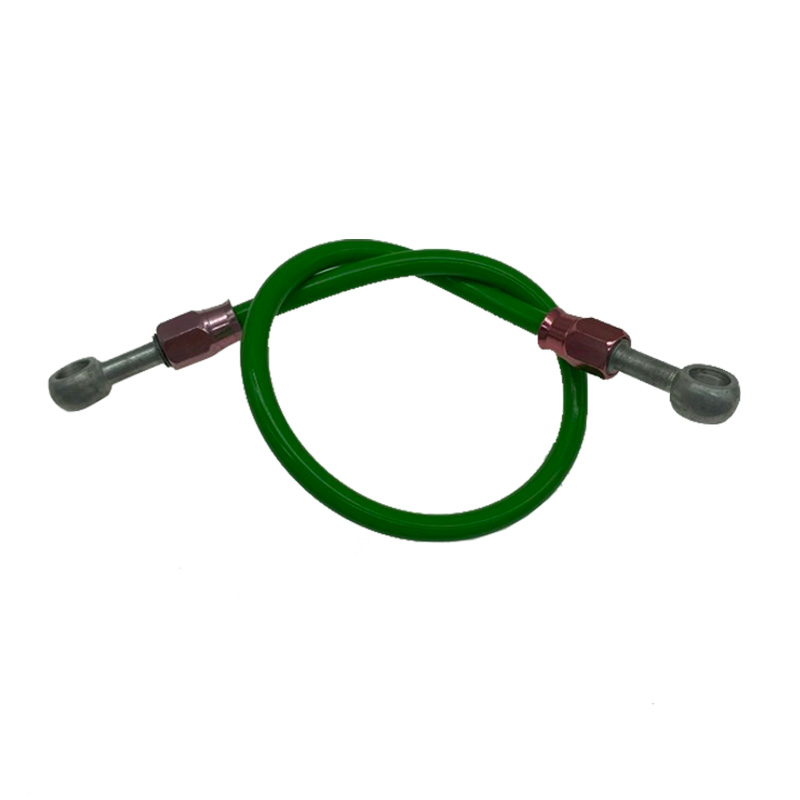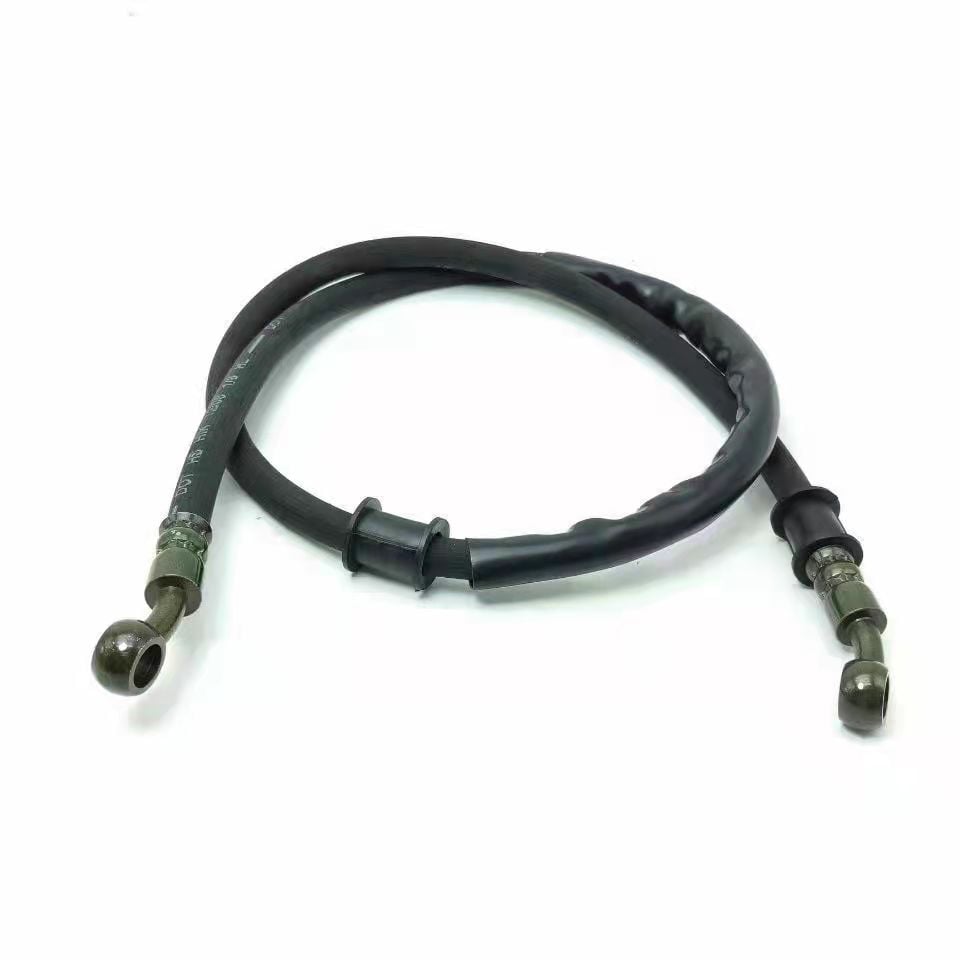
Brake lines serve as closed channels that carry pressurized fluid from the brake pedal to actually stop the vehicle. Pressing down on the brake pedal causes the master cylinder piston to squeeze the brake fluid, creating hydraulic pressure inside the system. According to something called Pascal's principle, this pressure spreads evenly throughout all parts of the braking system. The brake fluid then moves along either rigid steel pipes or flexible hoses until it reaches the wheel cylinders or calipers at each corner of the car. These components contain bigger pistons that amplify the force applied by the driver, usually multiplying it around ten times. That means even a light touch on the brake pedal can generate more than 1,000 pounds per square inch of force against the rotors. How well the whole system works really hinges on maintaining proper pressure levels. If the brake fluid gets compressed or if the lines expand when heated, the response time slows down. Today's brake fluids combat this issue by having very high boiling points, sometimes above 500 degrees Fahrenheit, which helps keep them from getting squishy even when things get hot during heavy braking situations.
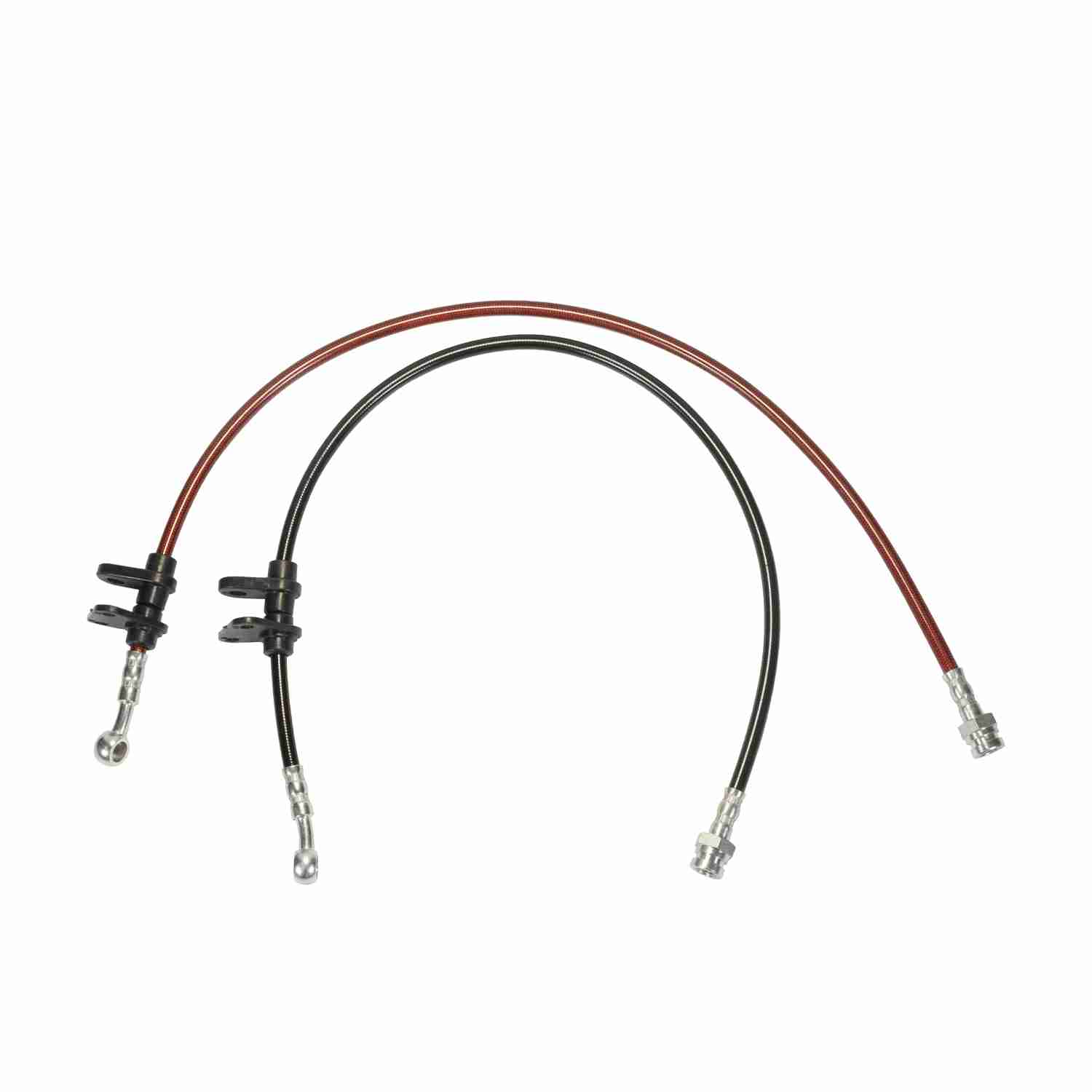
The type of material used for brake lines really affects how responsive the hydraulic system is and what kind of feedback drivers get from their pedals. Regular steel brake lines, those single layer ones without any shielding, tend to expand around 3% when pressure builds up. This expansion actually soaks up some energy and creates that annoying spongy feeling in the brake pedal. Tests have found that this expansion can cause delays between pressing the pedal and actual brake engagement ranging from 0.1 to 0.3 seconds. Braided stainless steel alternatives work differently though. They feature a Teflon inner core surrounded by woven stainless steel mesh which cuts down expansion to less than half a percent. The result? A much firmer pedal response almost instantly and better control over braking force especially when driving aggressively.
| Characteristic | Steel Brake Lines | Braided Stainless Lines |
|---|---|---|
| Pressure Expansion | Up to 3% | <0.5% |
| Pedal Feedback | Moderate sponginess | Immediate, firm response |
| Response Lag | 0.1–0.3 seconds | Near-instantaneous |
| Lifespan | 5–7 years (rust-prone) | 10+ years (corrosion-resistant) |
Braided lines excel in performance and track applications where consistent pressure retention is critical—but require precise routing and torque control during installation to avoid kinking or fitting damage. Steel lines remain a durable, cost-effective choice for daily driving, where peak pressures are lower and service intervals more forgiving.
Old brake lines can be a real danger because they fail in three different ways that all connect together somehow. The rubber parts soak up moisture and brake fluid as time goes on, which makes them swell from inside out. This swelling messes with how well the brakes work hydraulically, giving drivers that squishy feeling when pressing the pedal and making cars take around 20% longer to stop completely. Steel lines get eaten away by corrosion too, not just outside where road salt sticks to them but also inside where contaminated fluid does damage. In places with bad winters, these metal walls can thin down by half a millimeter to even 1 mm every year, making them much more likely to burst during sudden stops. And then there are those tiny cracks that develop without anyone noticing, usually from constant pressure changes and vibrations from the car's frame. These little fractures let brake fluid slowly leak out while letting air sneak in instead, eventually leading to complete brake failure if nobody catches it early enough.
| Failure Stage | Symptoms | Critical Risk |
|---|---|---|
| Early Degradation | Slight pedal softness, minor fluid loss | 15–30% braking efficiency loss |
| Advanced Failure | Visible leaks, pedal sinking to floor | Complete brake system collapse |
| Catastrophic Rupture | Sudden pressure loss while driving | Total braking failure at speed |
Moisture accelerates corrosion through electrolytic action, while repeated thermal cycling from braking induces fatigue stress. Road debris impact can initiate immediate fractures. Left unchecked, these degradation patterns transform routine stops into high-risk events—especially during emergency maneuvers where hydraulic fidelity is non-negotiable.
Brake lines and brake hoses both send hydraulic pressure to the wheels, but there are real differences between them when it comes to how they're built, how long they last, and what kind of care they need. Metal brake lines are usually made from seamless or stainless steel and run fixed paths along the car's frame. These metal lines resist rust pretty well, don't expand much, and can actually outlive the vehicle itself if someone checks them regularly for signs of corrosion or damage every couple of years. The other type is the flexible brake hose, which uses layers of rubber reinforced with fabric so it can bend with the suspension as the car moves. But these rubber hoses tend to break down over time because of all the heat changes, exposure to ozone in the air, and absorbing brake fluid. That's why mechanics generally recommend replacing them every five to seven years just to be safe, even if there doesn't seem to be any obvious problems. Rubber naturally stretches and contracts, which affects how the brake pedal feels underfoot. Most drivers notice this difference as a spongy sensation compared to the solid, straightforward feedback from metal brake lines.
Regular checks can stop problems before they start, keeping fluids where they belong and avoiding those nasty surprises like air getting into the system or brakes failing when least expected. Start by looking things over visually. Grab a good LED light and maybe a mirror if needed. Take a close look at all those brake lines, paying special attention to places where they connect, bend around corners, or run close to hot exhaust parts or frame rails. Watch out for any damp areas, rusty patches, swollen spots, or peeling protective coatings. Then get hands-on with the inspection. Put on some clean gloves first! Run fingers along each line carefully feeling for anything soft, swollen, or just feels off compared to what's normal. Rubber hoses are tricky because tiny cracks can be nearly impossible to spot with the eye alone. Lastly, do a quick pressure test. Pump the brake pedal down five solid times without letting up between presses. Hold it there for about half a minute. If the pedal slowly sinks down or feels squishy instead of firm, that means something inside isn't sealing properly anymore or maybe those old hoses aren't holding up under pressure like they should.
 Hot News
2026-02-04
2026-01-28
2025-11-20
2025-11-18
2025-11-17
2025-11-16
Copyright © 2025 by HENGSHUI BRAKE HOSE MACHINERY CO.,LTD — Privacy Policy
 EN
EN